The 15 Minute Declutter That Fits Into Real Life (Even When You’re Tired)
A gentle, realistic way to use a 15 minute declutter without turning it into another exhausting project.
If you’ve ever stood in the middle of a room knowing it needs attention, but not knowing where to begin, this is for you. A 15 minute declutter isn’t about fixing everything or proving discipline. It’s about creating a small pocket of relief inside a normal day.
This isn’t a method that asks you to reset your life, your mindset, or your schedule. It’s not a challenge, and it’s not a promise. It’s a way to work with the energy you actually have, instead of waiting for the energy you wish you had.
You don’t need momentum. You don’t need motivation. You don’t even need clarity.
You just need fifteen minutes that are allowed to be imperfect.
Why a 15 minute declutter feels different than “finally getting organized”
Most decluttering advice quietly assumes you’re starting from a place of excess energy. A 15 minute declutter does the opposite. It assumes you’re tired, distracted, and already carrying enough.
That assumption matters.
When the time container is small, your nervous system stays calm. You’re not bracing for a long stretch of decisions. You’re not negotiating with yourself about how far this might go. The edges are clear, and that clarity lowers resistance before you even begin.
Fifteen minutes also changes how your brain evaluates success. Instead of asking, “Did I finish?” the question becomes, “Did I show up?” That shift alone removes a lot of quiet self-judgment that tends to follow decluttering attempts.
This is usually where people notice something subtle. They move more slowly. They pause before making choices. They stop trying to optimize.
A short session doesn’t rush you. It contains you.
And because there’s no expectation of transformation, you’re free to focus on what actually helps in that moment. One surface. One drawer. One small area that’s been quietly draining you.
Not everything needs to be solved to make space feel better.
Sometimes, it just needs a little less pressure.
What a 15 minute declutter is not meant to accomplish
A 15 minute declutter is often misunderstood because it looks like a productivity tactic. It isn’t. It’s not designed to overhaul your home, enforce habits, or prove consistency.
It’s also not a workaround for bigger decisions you’re not ready to make.
This matters, because frustration usually shows up when we expect a small container to hold a large outcome. If you go into fifteen minutes hoping to “finally deal with everything,” the time will feel too short. Not because it failed, but because it was asked to do too much.
This is where it helps to loosen the purpose.
A 15 minute declutter doesn’t need to resolve clutter. It needs to reduce friction. It’s there to make one part of your space easier to move through, easier to look at, or easier to maintain tomorrow.
That might mean removing obvious trash. It might mean grouping like items so your brain stops scanning. It might mean stopping early because you’ve reached a natural pause.
None of those are half-steps.
This approach respects timing. Some belongings need more emotional space than fifteen minutes can offer. Forcing those decisions often backfires, creating more avoidance later.
A short session gives you permission to leave things undecided without leaving everything untouched.
You’re not failing the method if you stop with questions still open.
You’re using it as intended.
Choosing where to start without overthinking it
One of the quiet benefits of a 15 minute declutter is that it removes the need for the “right” starting point. When time is limited, the choice doesn’t need to be perfect. It just needs to be tolerable.
This is usually where people freeze, not because they don’t know what needs attention, but because everything feels equally loud. The mistake is assuming you need to rank priorities before you begin.
You don’t.
Instead, look for what’s already asking for the least from you. A surface you keep clearing and recluttering. A drawer that sticks. A small area you avoid because it feels visually messy, even if it isn’t objectively full.
The goal isn’t impact. It’s accessibility.
When you choose a place that feels emotionally neutral, your decisions come faster. You’re less likely to second-guess yourself. You’re more likely to stay present instead of scanning the rest of the room.
This is also why it’s helpful to stay contained. One area. One category. One narrow focus that fits comfortably inside the time you’ve set.
Fifteen minutes doesn’t need ambition. It needs boundaries.
And once those boundaries are in place, starting often feels less dramatic than you expected. You’re not committing to change. You’re just giving a small space some attention.
That’s usually enough to get things moving.
What actually happens during a calm 15 minute declutter
When a 15 minute declutter works well, it doesn’t feel fast. It feels steady.
You’re not racing the clock. You’re letting the clock hold the edges so your mind doesn’t wander into everything else that still needs to be done. That containment creates a surprising amount of focus.
Most people notice that the first few minutes are about orientation. You touch things. You move obvious items. You get reacquainted with what’s there. This is not wasted time. It’s your brain warming up.
Then decisions start to feel simpler. Not because you’re being decisive, but because the scope is small. You’re choosing between keeping something here or not here, now or later. Not forever.
There’s also less emotional buildup. When you know you’ll be stopping soon, it’s easier to be honest. You’re less likely to force a choice just to feel finished. You can set things aside without guilt.
This is usually where people realize something important: decluttering doesn’t have to be intense to be effective. It just has to be contained.
When the timer ends, you stop. Even if you’re in the middle of something. Especially if you’re in the middle of something. Stopping on time teaches your brain that this process is safe and predictable.
That trust is what makes it easier to return later.
Letting the 15 minute declutter end without “just one more thing”
The hardest part of a 15 minute declutter is often stopping. There’s a temptation to keep going, to finish the pile, to ride the momentum while it’s there. That urge is understandable, but it’s also where this approach can quietly unravel.
Stopping on time isn’t about discipline. It’s about preserving the relationship you’re building with the process.
When you end as planned, your brain learns that decluttering doesn’t steal more than it promises. There’s no hidden cost. No sudden escalation. Just a clear beginning and a clear end.
This is especially important if decluttering has felt draining or emotionally loaded in the past. Predictable endings reduce avoidance. They make it easier to come back without bracing yourself.
It also helps to leave things slightly unfinished. Not in a chaotic way, but in a way that signals continuation without pressure. A small stack grouped together. A drawer that’s better, but not perfect.
This creates a sense of orientation for next time, without turning it into an obligation.
You’re allowed to stop while things still exist.
You’re allowed to stop while progress feels modest.
A 15 minute declutter doesn’t ask for more than you agreed to give. And when you honor that boundary, the work stays light enough to repeat.
That’s what makes it sustainable.
How often a 15 minute declutter actually needs to happen
One of the quiet pressures around decluttering is the idea of consistency. Schedules get suggested. Routines get mapped out. Before long, a simple idea starts to feel like another thing you’re failing to keep up with.
A 15 minute declutter doesn’t need a calendar to work.
For many people, it works best when it’s responsive rather than planned. You notice friction building. A space feels heavier than usual. You feel yourself avoiding a small task because the area around it feels chaotic. That’s the signal, not the date.
This removes the sense that you’re “behind.” You’re not missing sessions. You’re responding to real conditions in your home and your energy.
Some weeks, you might do several short sessions. Other weeks, none at all. That variation isn’t a problem. It’s information. It reflects seasons, stress levels, and what else is asking for your attention.
This is also why forcing a daily habit often backfires. When decluttering becomes obligatory, it starts to carry emotional weight. A short, optional session stays light.
The aim isn’t frequency. It’s approachability.
When a 15 minute declutter feels easy to start, you’re more likely to use it when it actually helps. That’s what keeps clutter from quietly piling up again, without turning your home into a constant project.
Using a 15 minute declutter during low-energy days
Not every day offers the same capacity. Some days, even fifteen minutes can feel like a stretch. A 15 minute declutter still has a place here, but it needs to be adjusted gently.
On low-energy days, the focus shifts from improvement to easing. You’re not trying to make a space better than it was yesterday. You’re trying to make it slightly less demanding right now.
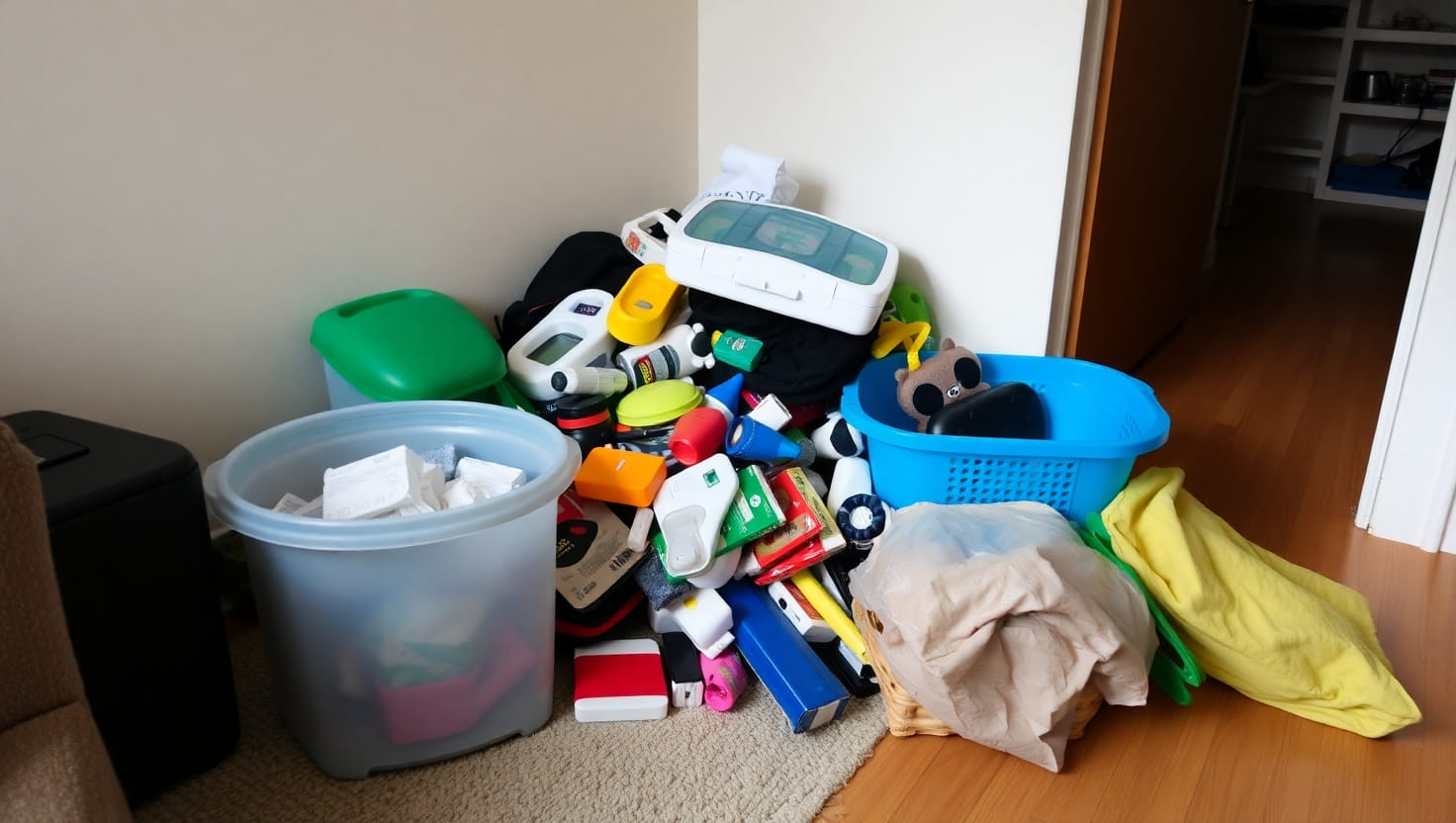
That might mean sitting on the floor instead of standing. It might mean touching fewer items. It might mean stopping early because your body is done.
There’s value in that.
Low-energy decluttering is often slower and more intuitive. You notice what’s truly in the way. You’re less tempted to reorganize for the sake of activity. You remove what’s obviously unnecessary and leave the rest alone.
This kind of session doesn’t create dramatic visual change, but it often creates relief. The room feels quieter. Your eyes don’t have to work as hard. That matters, especially when energy is scarce.
It’s important not to compare these sessions to higher-energy ones. They serve a different purpose. They maintain rather than transform.
A 15 minute declutter can meet you where you are. It doesn’t need you to rise to meet it.
Why small, repeated sessions change your relationship with clutter
Clutter is rarely just about volume. It’s about how often you have to think about things you’re not ready to decide on. A 15 minute declutter changes that dynamic slowly, without confrontation.
When you return to spaces regularly, even briefly, items stop feeling so loaded. You see them more often. They become familiar again. Familiarity reduces emotional charge.
This is where repeated short sessions have an advantage over occasional deep cleans. There’s less buildup. Fewer items reach the point of feeling overwhelming. Decisions happen closer to the moment they become relevant.
Over time, you also learn how clutter forms for you personally. You notice patterns. Drop zones. Categories that need more breathing room. This awareness emerges naturally, without analysis.
There’s also a trust that builds. You begin to trust yourself to come back to things. That trust reduces the pressure to make perfect choices right now.
Instead of thinking, “I have to deal with this,” the thought becomes, “I’ll handle this next time.”
That shift alone can make a home feel more manageable, even before much has physically changed.
When a 15 minute declutter brings up resistance
Sometimes, sitting down to declutter for fifteen minutes brings up more emotion than expected. Irritation. Sadness. A strong urge to quit. This doesn’t mean you’re doing it wrong.
Short sessions can surface feelings because they remove distraction. There’s no rush to override discomfort. It has room to appear.
When this happens, it helps to narrow the focus further. Fewer items. Smaller motions. More pauses. You don’t need to push through resistance. You can work around it.
It’s also okay to change the nature of the session. Sorting instead of deciding. Grouping instead of removing. Even just straightening can be enough.
The purpose isn’t to win against resistance. It’s to stay in relationship with the space without escalating tension.
If the feeling remains strong, stopping early is not a failure. It’s information. Something here needs more time, or a different kind of attention later.
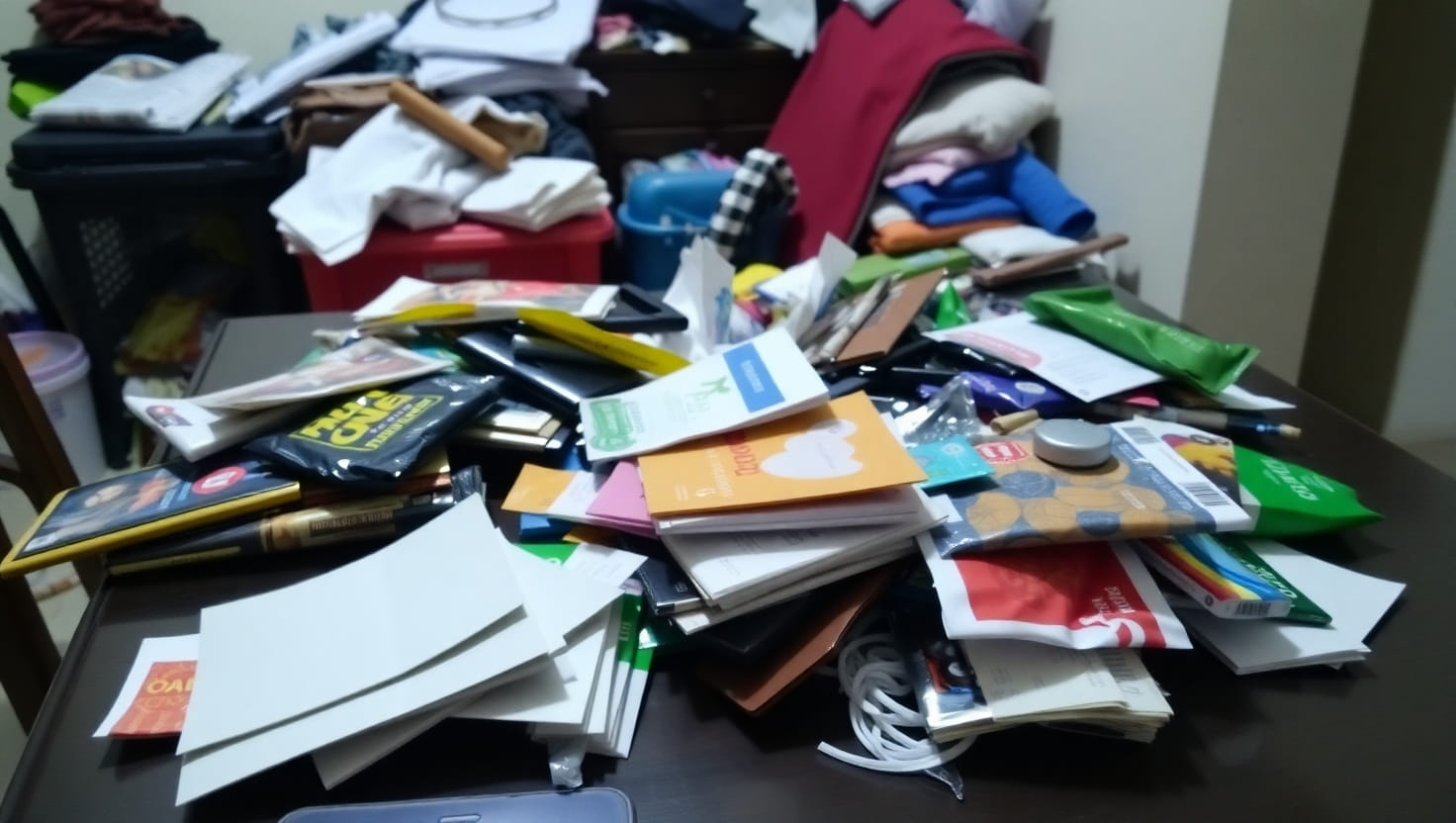
A 15 minute declutter is flexible by design. It can hold discomfort without demanding resolution.
Letting a 15 minute declutter be enough for today
At the end of a 15 minute declutter, it’s tempting to evaluate. To scan the room and measure whether the effort “counted.” This habit can quietly undo the ease you’ve just created.
Instead, it helps to pause before looking around. Notice how your body feels. Notice if your eyes settle more easily. Notice if one small irritation is gone.
These subtle shifts are the real markers.
A short session doesn’t need to justify itself with visible results. It needs to leave you slightly less burdened than before.
Some days, that change will be obvious. Other days, it will be almost invisible. Both are valid.
When you allow a 15 minute declutter to be enough, you protect it from becoming another source of pressure. You keep it available for the days you truly need it.
There will always be more to do. That’s not a personal failing. It’s the nature of living in a space over time.
For today, stopping is allowed.
Using a 15 minute declutter in shared spaces
Shared spaces carry a different kind of weight. Kitchens, living rooms, entryways tend to hold not just objects, but negotiations. Other people’s habits. Other people’s timing. Other people’s tolerance for mess.
A 15 minute declutter works here because it doesn’t try to resolve those dynamics. It doesn’t require agreement or coordination. It simply lets you reduce friction in one small way.
In shared areas, it helps to focus on what’s clearly communal. Surfaces that collect random items. Zones that slow everyone down. Things that don’t belong to anyone in particular, but still take up space and attention.
This keeps the session emotionally neutral. You’re not making decisions on someone else’s behalf. You’re restoring basic function.
Another benefit of short sessions is visibility. Because you’re not rearranging everything, changes are subtle and non-threatening. Others are less likely to feel disrupted or corrected. The space just feels a little easier to use.
This matters if you’ve experienced pushback around decluttering before. A 15 minute declutter avoids the “what changed?” conversation. It doesn’t announce itself.
Over time, these small resets accumulate. The space holds less tension. Maintenance feels lighter. And because the changes are modest, they’re easier for everyone to adapt to.
You’re not trying to control the space.
You’re simply making it easier to move through together.
How a 15 minute declutter supports future decisions
One overlooked benefit of short decluttering sessions is how they prepare you for bigger choices later. Not by forcing clarity, but by creating familiarity.
When you touch items repeatedly over time, your relationship with them changes. They stop feeling abstract. You remember where they came from. You notice whether they still fit your life. This awareness builds quietly.
A 15 minute declutter gives you just enough exposure to begin that process without pressure. You don’t have to decide anything yet. You’re simply gathering information.
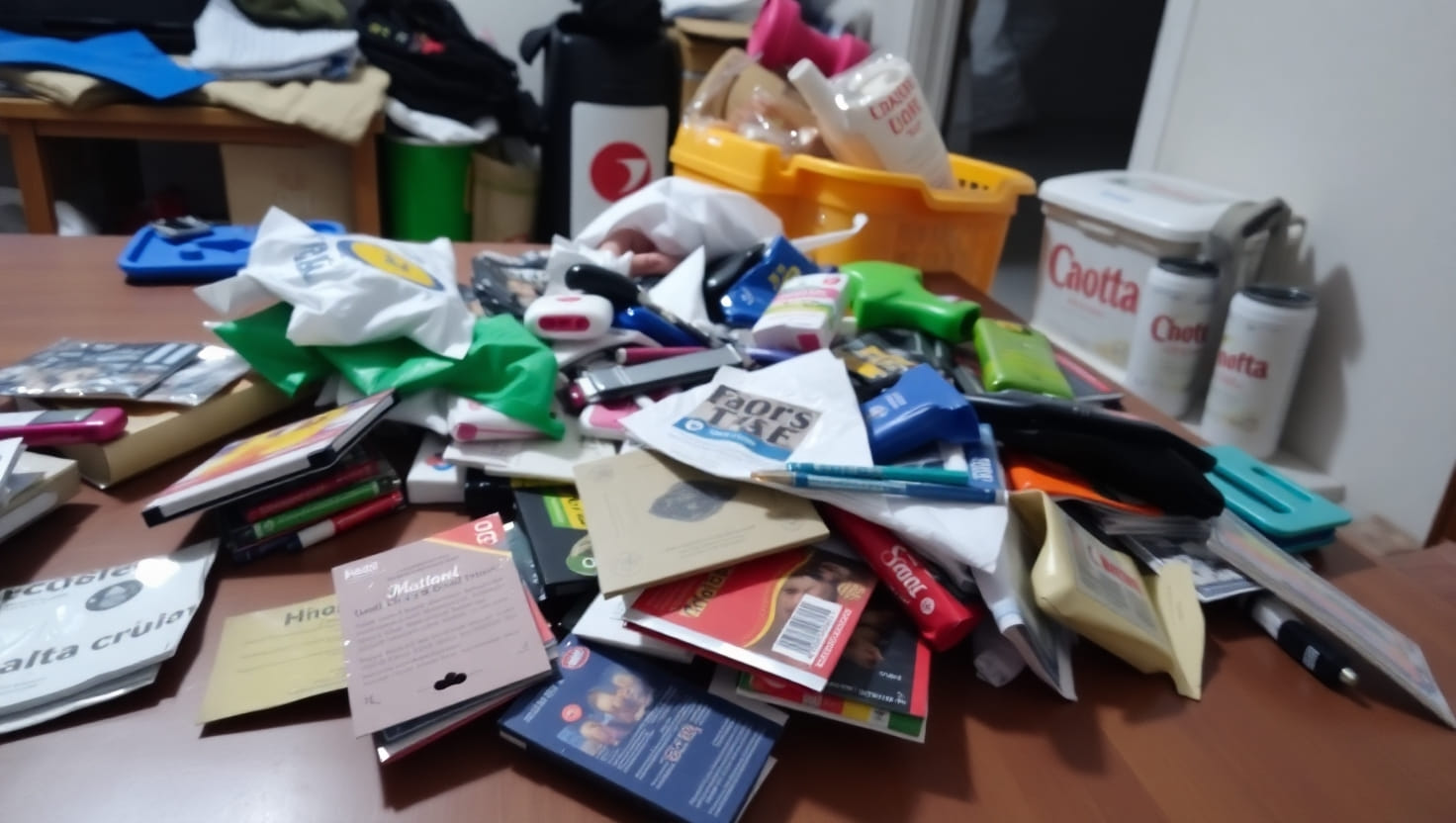
This is especially helpful with sentimental or aspirational items. Instead of confronting them all at once, you encounter them gradually. In context. On ordinary days.
Often, decisions that once felt heavy start to feel obvious. Not because you pushed yourself, but because the emotional charge has softened.
This is also why it’s okay to put items back. Or to leave them grouped for “later.” That later isn’t avoidance. It’s incubation.
Short sessions create a rhythm of revisiting. That rhythm builds trust in your ability to decide when the time is right.
When larger decluttering moments do come, they feel less dramatic. You’re not starting cold. You’re continuing a conversation you’ve already been having with your space.
When a 15 minute declutter turns into something else
Sometimes, a 15 minute declutter opens a door. You uncover an issue you hadn’t noticed. A storage mismatch. A category that’s outgrown its container. A pattern that keeps repeating.
This can be useful, but it can also be destabilizing if you try to solve everything immediately.
The key is to notice without expanding the session.
You’re allowed to recognize that something bigger is going on and still stop when the timer ends. Insight doesn’t require immediate action. In fact, it often benefits from distance.
You might make a mental note. Or write something down. Or simply acknowledge, “This will need more time later.”
That’s enough.
A 15 minute declutter is not the place to redesign systems or plan projects. It’s a place to observe reality as it is right now.
When you respect that boundary, insights become helpful rather than overwhelming. They inform future choices instead of hijacking the present moment.
You’re not obligated to act on every realization.
Let the session stay small. Let understanding unfold at its own pace.
How to return to a space without starting over
One of the fears around short decluttering sessions is that you’ll have to keep redoing the same areas. That nothing will ever feel finished. A 15 minute declutter approaches this differently.
Instead of aiming for completion, it creates continuity.
When you return to a space, you’re not starting from scratch. You’re picking up from a familiar place. Items are more visible. Groupings make sense. The space has already been partially oriented.
This reduces the mental load of re-entry. You don’t need to re-evaluate everything. You can quickly see what still feels off and what’s settled.
It also changes how you interpret backsliding. A messy surface isn’t evidence that decluttering “didn’t work.” It’s simply information that this area needs more frequent, lighter attention.
Repeated short sessions teach you what maintenance looks like for your home, not in theory, but in practice.
Over time, you stop expecting permanence. You expect movement. That expectation is far less discouraging.
The space evolves with you, instead of resetting to zero each time.
Allowing a 15 minute declutter to stay simple
There’s a tendency to improve simple things until they collapse under their own weight. Timers turn into plans. Sessions turn into systems. A 15 minute declutter works best when it stays uncomplicated.
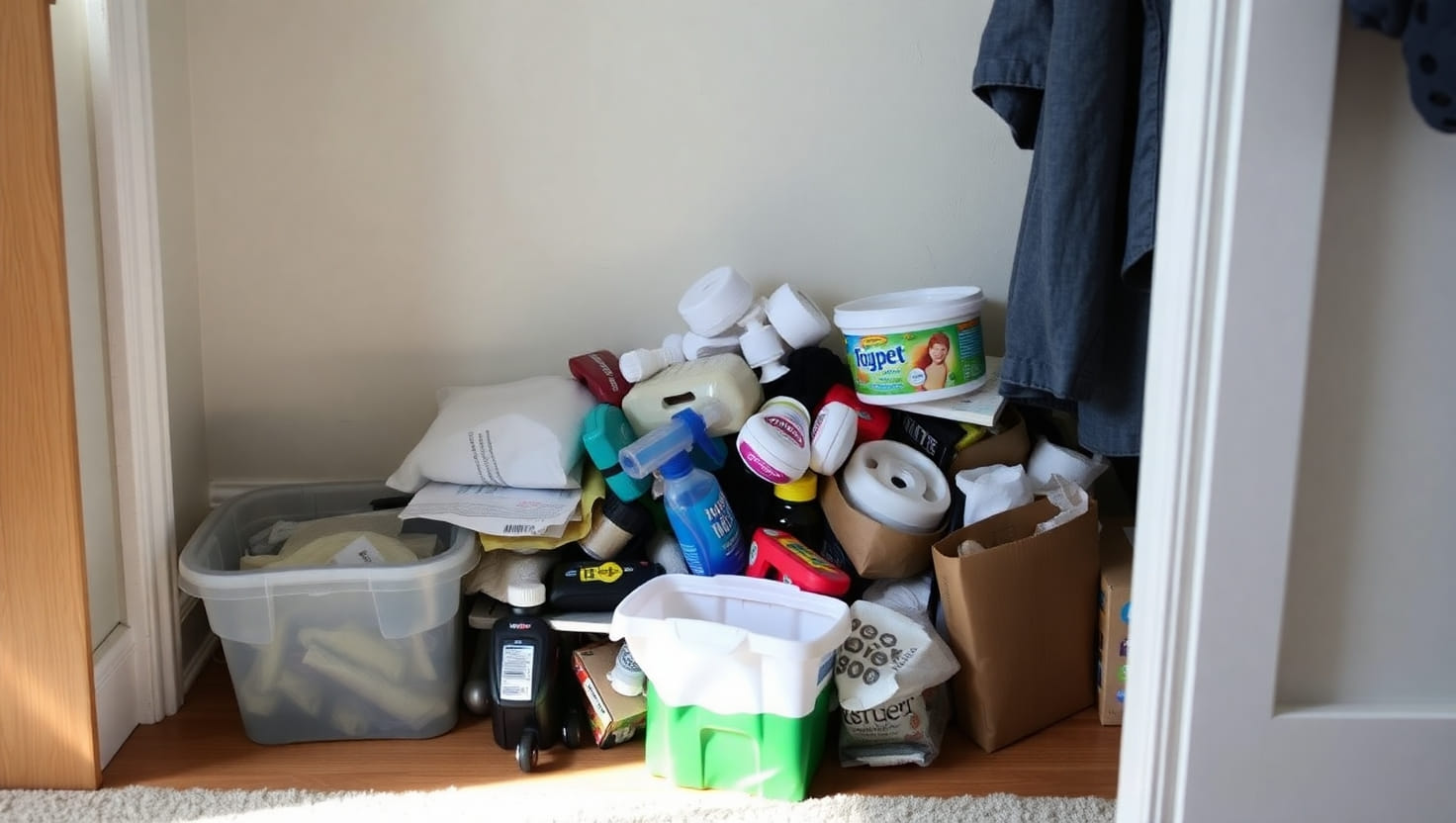
You don’t need special tools. You don’t need rules. You don’t need to optimize how those minutes are used.
The simplicity is the point.
When the process remains light, it stays available. You can use it on a random afternoon. Or in the quiet space before dinner. Or when you’re waiting for something else to start.
This flexibility is what makes it sustainable.
If you notice yourself adding layers, it can help to gently strip them back. Return to the basics. Set the timer. Touch a few things. Stop.
A 15 minute declutter doesn’t need to grow with you. It needs to remain steady.
As life changes, the way you use those minutes may shift. But the container stays the same.
And that reliability can be surprisingly comforting.
When short sessions stop being enough on their own
A 15 minute declutter can carry you a long way. For many people, it’s the first approach that doesn’t collapse under pressure or guilt. But sometimes, after the relief settles in, a quieter question appears. Not about speed or discipline, but about continuity. How to move from repeating small resets to feeling like the changes actually hold. This is often where curiosity replaces effort. You may start noticing what helped these sessions work, and what still slips back. That noticing isn’t a problem to solve. It’s a signal that your relationship with decluttering is shifting, at its own pace.