Bedroom Declutter Checklist: A Calm, Room-by-Room Reset That Doesn’t Rush You
A gentle bedroom declutter checklist designed to help you clear your space without pressure, perfectionism, or all-at-once cleanups.
If your bedroom feels heavier than it should, you’re not imagining it. This is often the room where unfinished decisions quietly collect. Clothes that almost fit. Nightstand items with no clear home. Corners that feel crowded even when they’re technically “organized.”
This bedroom declutter checklist isn’t meant to push you through a dramatic overhaul. It’s here to help you move through the room in a way that feels steady and contained. Nothing here requires momentum or motivation. You can stop after any section and still feel a shift.
Think of this as a way to reduce background noise. Not to perfect the room. Just to make it easier to rest in it.
Starting With the Bed Area
The bed tends to anchor the emotional tone of the bedroom. When this area feels overloaded, the whole room can feel unsettled, even if everything else is mostly fine. That’s why it helps to begin here, without trying to fix anything beyond arm’s reach.
Start by noticing what lives on the bed when it’s not in use. Extra pillows you move every night. Clothes placed there temporarily that have become permanent. Items that don’t belong anywhere else yet. This checklist isn’t asking you to decide their final home. Just to acknowledge what’s sharing space with where you rest.
Next, look at the surfaces closest to the bed. Nightstands, headboards with shelves, or window ledges nearby. These areas often collect things meant to be comforting but end up feeling cluttered instead. Old books you’re not reading. Chargers for devices you no longer use. Objects kept out of habit rather than need.
As you move through this area, aim for clarity, not emptiness. The question isn’t whether you should own these things. It’s whether they support rest. Anything that interrupts that purpose can be gently set aside for later decisions, without judgment or urgency.
Working Through the Closet, Slowly
Closets carry more than clothing. They hold versions of ourselves we haven’t fully released yet. That’s why decluttering here often feels heavier than expected, even when the space is small. This checklist approaches the closet as a sequence of simple passes, not a single defining moment.
Begin with what’s easiest to see. Items hanging at eye level tend to reflect your current life more accurately. Notice which pieces you reach for without thinking and which ones feel slightly unfamiliar now. You don’t need to decide anything yet. Just separate the obvious yeses from everything else.
Next, shift attention to clothing that requires more effort to access. High shelves, back corners, or storage bins. These often contain clothes kept “just in case.” Instead of evaluating usefulness, ask whether they belong in your everyday bedroom. Sometimes the relief comes from relocating, not removing.
As you move through this section of the bedroom declutter checklist, keep decisions small. One category at a time. One shelf at a time. You’re not trying to define your identity through clothing. You’re simply making the closet easier to use tomorrow than it was yesterday.
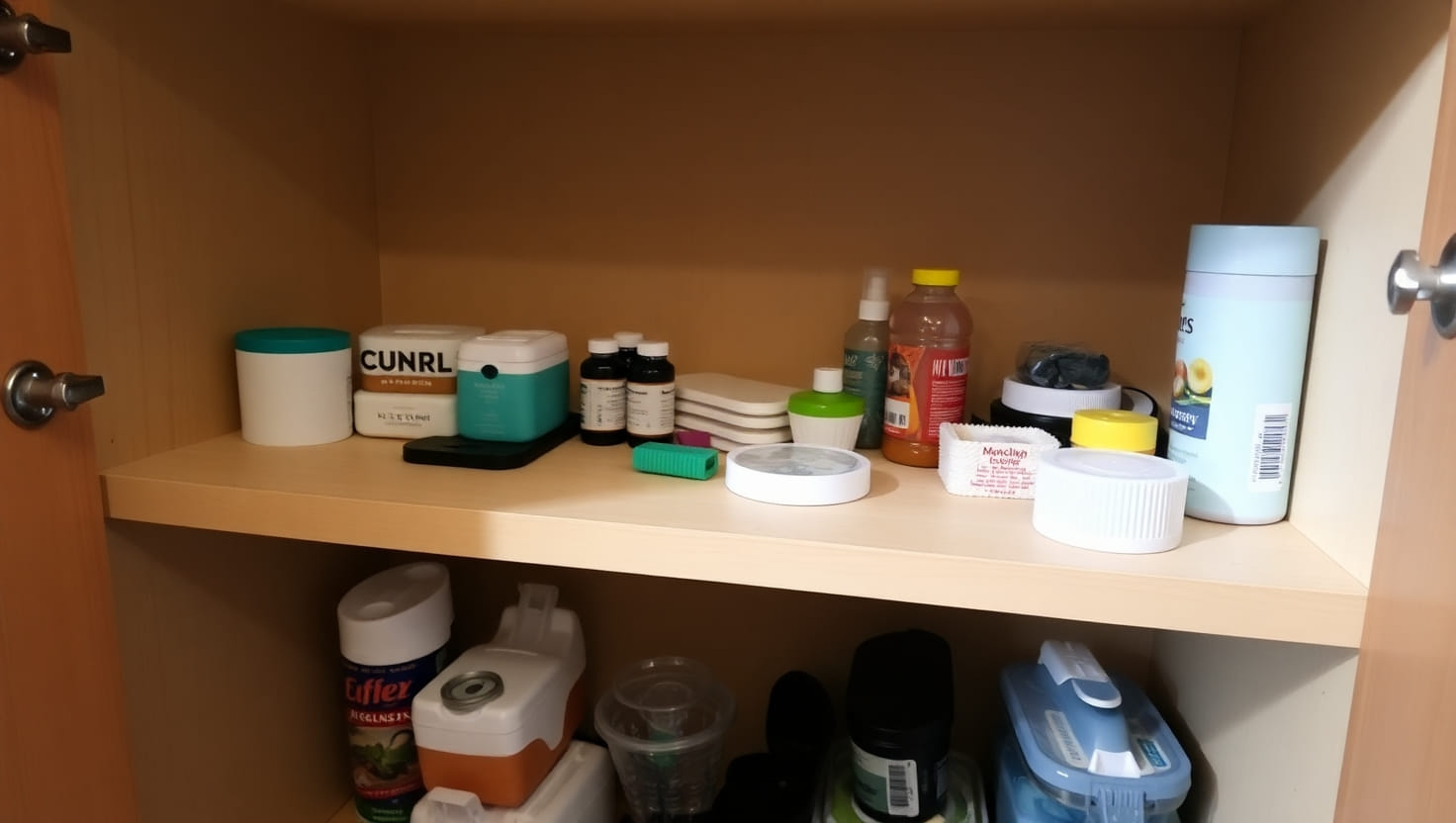
Clearing the Dresser and Drawer Zones
Dressers are meant to simplify mornings, but they often become quiet storage for postponed choices. Overfilled drawers. Surfaces layered with jewelry, papers, and random items that didn’t belong anywhere else. This part of the checklist focuses on restoring function, not creating visual perfection.
Start with the top of the dresser. Remove everything and place it nearby. Seeing the surface empty, even briefly, helps reset your sense of what belongs there. As you return items, notice which ones feel natural to put back and which ones hesitate in your hands. That hesitation is information, not a problem.
When you move to the drawers, open only one at a time. Overstuffed drawers create friction you may have stopped noticing. Gently remove anything that doesn’t fit comfortably. This isn’t about reducing volume dramatically. It’s about allowing space so items can be seen and used.
Some drawers may hold mixed categories that no longer make sense. That’s common. Instead of forcing a system, let the contents guide you. Group similar items loosely and leave the finer organization for another day. The goal here is ease. If the drawer closes without resistance and opens without overwhelm, you’re doing enough.
Addressing the Floor and Visual Edges
Floors often reveal the truth of how a bedroom is functioning. Items left there usually don’t belong on the floor at all. They’re paused decisions, not mess. This section of the bedroom declutter checklist helps you resolve those pauses without turning them into pressure.
Begin by clearing a small section of floor, not the entire room. A corner. The space beside the bed. The area near the door. As you lift items, avoid solving their final destination immediately. Place them on a chair or bed instead. The act of clearing the floor is already a meaningful shift.
Pay attention to visual edges next. Along walls, under windows, beside furniture. These areas often collect overflow because they feel less central. Straighten what remains and remove anything that feels like it drifted there accidentally.
As the floor clears, the room often feels larger without actually changing size. That’s a signal your nervous system notices. You don’t need to chase that feeling further. Let it settle. This part of the checklist isn’t about creating openness everywhere. It’s about reducing visual noise where your eyes naturally rest.
Reviewing What Lives in the Bedroom at All
This final section isn’t about removing more. It’s about understanding boundaries. Bedrooms often become storage for things that belong to other parts of life simply because the door closes. This checklist step invites quiet reflection rather than action.
Look around the room and notice categories that don’t support rest. Work papers. Exercise equipment. Old boxes meant to be sorted later. Their presence doesn’t mean you’ve failed to organize. It usually means the bedroom became a default holding space during a busy season.
Instead of deciding what to do with these items now, simply name them. This is work-related. This belongs to another room. This is unresolved but not urgent. Naming creates separation without requiring movement.

If you choose to remove something, let it be one category, not everything. Even relocating a small group of items can change how the room feels at night. This bedroom declutter checklist isn’t asking you to finish. It’s giving you a clearer sense of what the room is meant to hold, and what it no longer needs to carry for you.
Making Sense of Nightstand Storage
Nightstands tend to shrink emotionally before they shrink physically. Even when the surface looks mostly clear, the drawers often hold a mix of items that don’t quite belong together. This part of the bedroom declutter checklist focuses on restoring the original purpose of that small space: support, not storage.
Open one drawer and remove everything. Place the items nearby so you can see them all at once. Nightstand clutter is usually a blend of comfort items and leftover decisions. Old receipts, half-used notebooks, expired lip balm, reading glasses that no longer get used. None of this means you’re careless. It just means the drawer became convenient.
As you return items, prioritize what you actually reach for at night or first thing in the morning. Medication you take daily. A book you’re actively reading. One or two personal items that feel grounding. When the drawer starts to feel full again, pause. That sensation is your limit showing itself.
The surface of the nightstand matters too. Too many objects here can subtly interfere with rest, even if they’re meaningful. Choose a few that feel steady and familiar. Anything else can be relocated without deciding its final fate. The goal isn’t minimalism. It’s creating a bedside space that feels calm when the lights go out.
Looking at Under-the-Bed Storage Honestly
Under-the-bed storage often feels invisible until it doesn’t. Boxes get shoved deeper. Bags slide out unexpectedly. This area tends to hold things we don’t want to decide about yet. That makes it a useful space, but only to a point.
Start by pulling everything out, even if it’s just briefly. Seeing the full collection at once helps reset your sense of scale. Under-the-bed clutter grows slowly, which makes it easy to underestimate how much is there. This isn’t about confronting yourself. It’s about clarity.
As you look through what’s there, ask a simple question: does this need to live in the bedroom? Seasonal clothing might make sense. Extra bedding usually does. Paperwork, hobby supplies, or items meant to be donated often don’t. That doesn’t mean you have to deal with them now. It just means the bedroom may not be the right holding place.
When returning items, leave breathing room if possible. Overpacked under-bed storage creates low-level stress you may feel without realizing why. A little space allows things to slide easily and stay contained. This part of the checklist is about preventing buildup, not emptying everything out.
Sorting Through Bedroom Seating and Corners
Chairs in bedrooms rarely stay chairs. They become landing zones for clothes, bags, and whatever didn’t make it back to the closet. Corners nearby tend to follow the same pattern. This section of the bedroom declutter checklist gently reclaims those spaces.
Start with one chair or corner. Remove everything from it and set the items aside. Notice how the space looks when it’s doing its actual job again. That visual reset often brings a small sense of relief, even before anything is decided.
As you return items, be selective. Clothing that’s been worn once but isn’t ready for the wash often ends up here. Consider whether a designated hook or drawer would serve you better. Bags and accessories may need a clearer home elsewhere.
Corners deserve attention too. They often become default storage simply because they’re out of the way. Straighten what stays. Remove anything that feels like it drifted there unintentionally. You don’t need to fill the space once it’s clear. Empty corners are allowed.
This part of the checklist isn’t about enforcing tidiness. It’s about restoring function so furniture can be used without negotiation or cleanup first.
Reassessing Decorative Items and Visual Weight
Decor carries emotional weight, even when it’s subtle. Too much of it can make a bedroom feel busy instead of personal. This section isn’t about stripping the room bare. It’s about adjusting the balance so the space supports rest.
Begin by looking at decorative items as a group rather than individually. Artwork, framed photos, decorative pillows, small objects on shelves. Notice how your eyes move around the room. If they don’t know where to settle, visual weight may be the issue.
Choose one surface or wall to work with first. Remove everything from that area. Then add pieces back slowly, stopping before it feels complete. That pause helps you notice when enough has been reached, rather than pushing to fill space out of habit.
Some items may feel meaningful but no longer right for this room. That doesn’t reduce their value. It simply acknowledges that your bedroom’s role may have shifted. You can store those pieces elsewhere without deciding their future.
This step of the bedroom declutter checklist is about editing, not erasing. The room should still feel like yours, just quieter.
Letting Go of “Temporary” Bedroom Storage
Temporary storage has a way of becoming permanent, especially in bedrooms. Boxes waiting to be sorted. Bags meant to be returned. Items placed there “just for now.” This section focuses on recognizing those patterns without turning them into a problem.
Walk through the room and identify anything that was never meant to live there long-term. You don’t need to move it yet. Simply naming it as temporary changes how you relate to it. It’s no longer invisible.
Choose one temporary category to address. Not everything. Maybe it’s paperwork. Maybe it’s items destined for another room. Gather them together so they’re contained. Containment often reduces stress more effectively than removal.
If energy allows, move that group closer to where it belongs. If not, leave it grouped and labeled mentally. This step still counts. The bedroom benefits from the clarity either way.
This part of the bedroom declutter checklist isn’t about finishing tasks. It’s about reducing the mental load the room carries. When fewer unresolved items live here, rest comes more easily, even if nothing else changes yet.
Creating Space for Sleepwear and Loungewear
Sleepwear is meant to support rest, but it often ends up scattered across drawers, chairs, and baskets. This section of the bedroom declutter checklist helps bring these items back into a single, supportive zone without overthinking it.
Begin by gathering all sleepwear and loungewear from around the room. Pajamas, robes, soft layers you wear in the evening or early morning. Seeing them together usually reveals duplicates or items you no longer reach for, simply because something else sits on top.
Instead of deciding what to keep based on quantity, notice comfort and rotation. Which pieces do you actually want to put on at the end of the day. Which ones get skipped, even though they technically still fit. You don’t need to remove anything yet. Just let that information surface.
As you place items back into drawers or shelves, allow space between them. Overpacked sleepwear storage can subtly undermine the sense of ease you want at bedtime. If everything fits without resistance, that’s enough. This step isn’t about curating the perfect set. It’s about making the transition into rest feel simpler and less cluttered.
Handling Sentimental Items in the Bedroom
Bedrooms often hold sentimental items by default. Cards, photos, small keepsakes kept close because they matter. This part of the bedroom declutter checklist isn’t about letting go of meaning. It’s about deciding how much emotional presence the room can comfortably hold.
Start by identifying sentimental items that live out in the open. On dressers, shelves, or nightstands. Notice how they make you feel when you see them daily. Some bring comfort. Others quietly pull attention backward.
You don’t need to evaluate whether you deserve to keep them. Instead, consider placement. Items that feel grounding can stay visible. Others may be better stored somewhere intentional, where you can engage with them when you choose rather than constantly.
If sentimental items are mixed into drawers or boxes, gently group them together. Containment helps reduce emotional noise. It also makes it easier to return to them later with a clearer head.
This section is about respect. Respect for the items, and for the role your bedroom plays now. Not everything meaningful needs to be present all the time for it to still matter.
Rebalancing Lighting and Small Bedroom Fixtures
Lighting and fixtures often fade into the background until they don’t work well anymore. Lamps with harsh bulbs. Broken switches. Extra fixtures that no longer serve a purpose. This section invites a quiet reassessment.
Begin by turning lights on and off as you normally would. Notice how the room feels in the evening versus the morning. If something feels jarring, it’s worth noting. Lighting directly affects how restful a space feels, even when clutter levels are low.
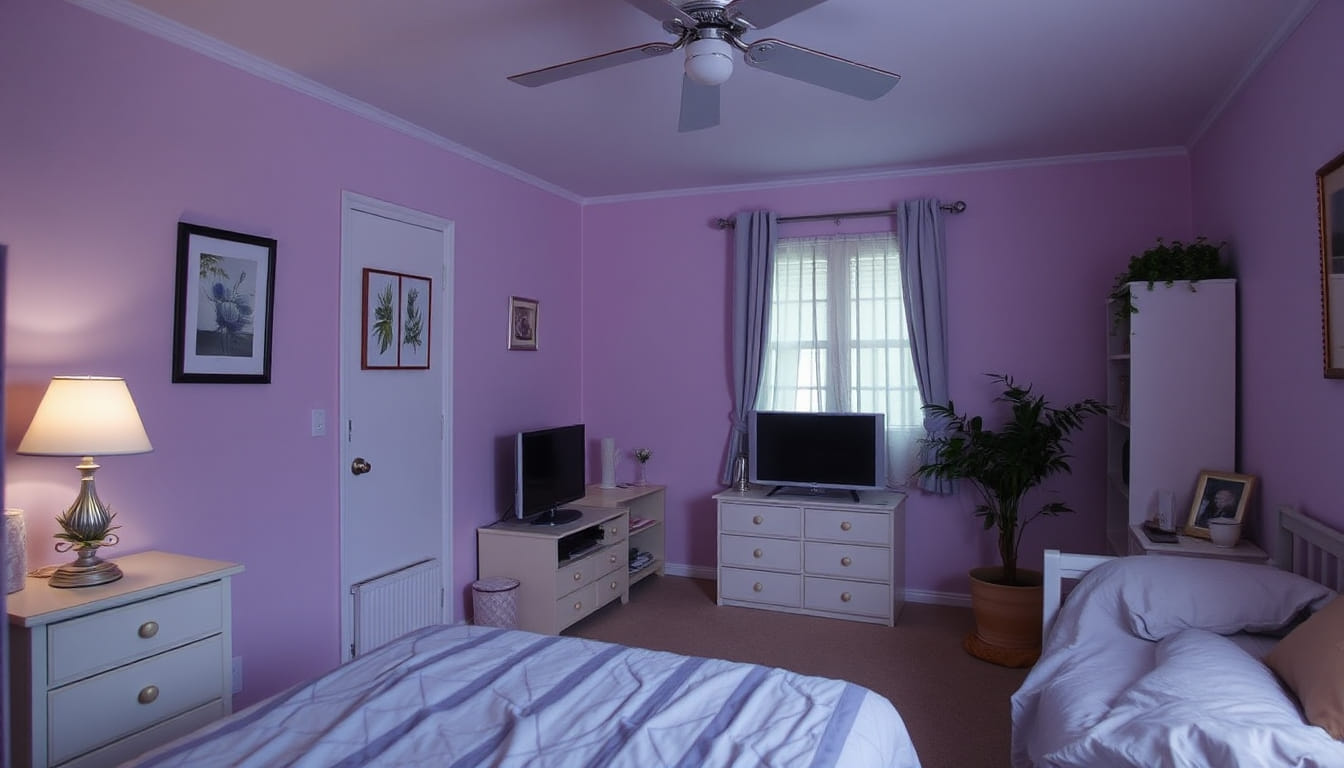
Look at small fixtures next. Extra lamps, fans, or electronics that stayed because removing them felt like a project. Ask whether they still earn their place. If not, you don’t need to uninstall anything yet. Simply unplugging and relocating can create immediate relief.
Cords and cables deserve attention too. Tangled or trailing cords add visual friction. Gently straighten or contain them where possible. You’re not redesigning the room. You’re softening it.
This step of the bedroom declutter checklist is subtle but powerful. When light and fixtures support the room’s purpose, everything else feels calmer without further effort.
Checking Storage Containers and Bins
Bins and baskets are often added with good intentions. Over time, they can multiply and quietly become clutter themselves. This section looks at whether your storage is still helping or just holding.
Start by reviewing containers in the bedroom. Baskets, boxes, fabric bins. One by one, lift them and notice their weight. Overfilled containers often signal postponed decisions rather than organized storage.
Open each container and assess whether the contents match the purpose it was meant to serve. If a bin holds mixed items with no clear theme, that’s useful information. It may not need sorting right now, but it might not belong in the bedroom long-term.
Consider reducing the number of containers rather than their contents. Fewer bins often create more clarity than perfectly organized ones. Empty containers can be removed or repurposed without making decisions about what was inside.
This part of the bedroom declutter checklist is about transparency. Storage should make life easier, not hide unresolved clutter. When you can see and access what you keep, the room feels lighter almost immediately.
Noticing How the Room Feels Now
This final section in this sequence isn’t an endpoint. It’s a pause. After working through different parts of the bedroom declutter checklist, the room has likely shifted, even if nothing dramatic changed.
Take a moment to stand in the doorway or sit on the bed. Notice what your eyes land on first. Notice whether your shoulders drop a little. These physical cues matter more than visual perfection.
Resist the urge to scan for what’s left undone. There will always be something. Instead, acknowledge what feels clearer. A surface that’s easier to use. A corner that no longer pulls your attention. A drawer that opens without effort.
You don’t need to decide what comes next. This pause is part of the process. Letting the room settle helps prevent the cycle of constant fixing.
The bedroom doesn’t need to be finished to feel supportive. It only needs to ask less of you.
When Decluttering Starts to Last
If you notice that this room feels lighter without needing a big push, that matters. Many people can declutter once. Fewer find a way to make it stay that doesn’t rely on constant effort or restarting every few months.
What usually changes isn’t discipline or motivation. It’s the relationship to the process itself. When decluttering stops being something you force and starts being something that fits your actual life, it settles differently.
That shift doesn’t happen all at once. It builds quietly, room by room, decision by decision. If you’re beginning to sense that possibility here, it may be worth exploring how decluttering can move from an event into a steadier pattern that holds over time.