Declutter Basement Without Overwhelm: A Calm, Room-by-Room Way to Reclaim the Space
A steady, pressure-free approach to decluttering a basement that feels heavy, forgotten, or hard to face—without forcing decisions before you’re ready.
Basements tend to collect more than objects. They collect pauses, plans that didn’t happen, and things that didn’t have a clear place to land. When you think about how to declutter basement space, the weight often shows up before the details do. It can feel dense, unfinished, or oddly emotional, even if you can’t quite explain why.
This is not a space most people approach with energy. More often, it’s approached with avoidance, or with a burst of urgency that fades quickly. That doesn’t mean anything is wrong with you. It usually means the basement has been carrying decisions for a long time, and your mind knows that instinctively.
This article isn’t about transforming the basement into something impressive. It’s about making it easier to be down there without tension. That might mean clearing paths. It might mean understanding what belongs to the past versus what still has a role. It might simply mean seeing the room more clearly than you did before.
You don’t need a system yet. You don’t need motivation. For now, it’s enough to slow the picture down and let the space exist as it is. Decluttering a basement works better when it starts with orientation, not pressure.
Understanding Why Basements Hold So Much
Before you try to declutter basement storage, it helps to understand why this room fills so easily. Basements are often out of daily sight, which makes them convenient holding zones. Things land there temporarily and quietly become permanent.
Many basements also sit between categories. They’re not fully living space, but not entirely utility either. Because of that, items without a clear identity end up there. Old furniture. Boxes from moves. Supplies for projects that never quite started. The basement becomes a pause button.
There’s also an emotional layer that doesn’t get talked about much. Basements often store former versions of life. Children’s stages. Hobbies that faded. Furniture from a different home. When you go to declutter basement areas, you’re not just sorting objects. You’re encountering time.
This is why fast methods tend to backfire here. The resistance isn’t laziness. It’s your mind noticing that these items represent unfinished decisions. Pushing harder usually makes the space feel heavier.
A calmer approach begins by acknowledging that the basement isn’t messy because you failed to manage it. It’s full because it absorbed what didn’t have anywhere else to go. Seeing that clearly can soften the way you enter the room, which matters more than any technique.
Separating the Basement From the Rest of the House
One reason decluttering a basement feels overwhelming is because it’s often mentally connected to the entire house. People walk downstairs already thinking about upstairs clutter, garage overflow, and future organizing plans. That mental stacking makes it harder to stay present.
To declutter basement space effectively, it helps to treat it as its own environment. Not a reflection of the rest of the house. Not a holding area that needs to be “fixed.” Just a room with its own logic and limits.
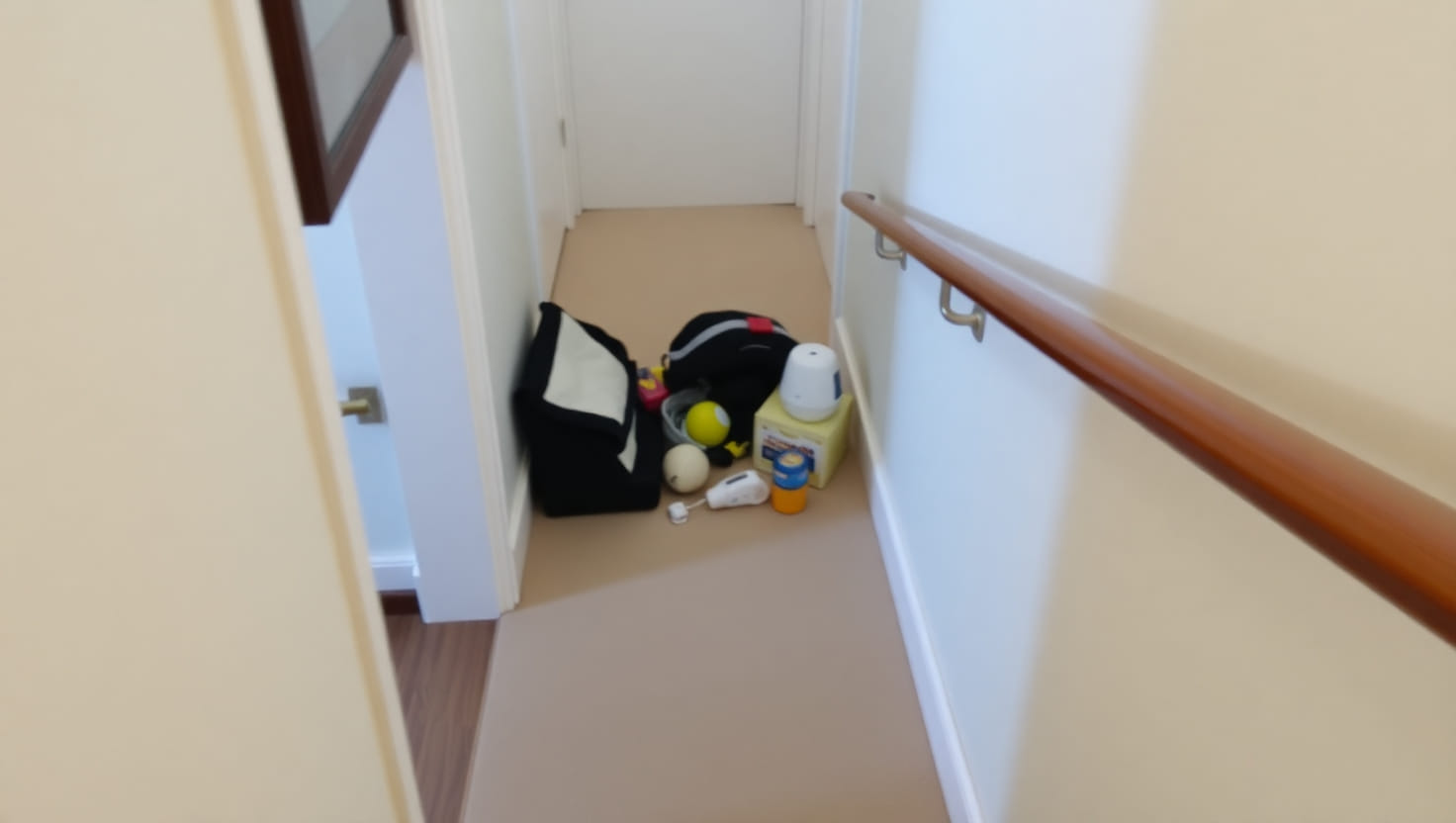
This doesn’t require action yet. It’s more about how you frame the space. When you’re in the basement, you’re not solving everything. You’re only noticing what lives there now. That boundary reduces the sense of urgency that often causes people to quit early.
Basements also have different rules than living spaces. They prioritize access, safety, and stability more than aesthetics. Expecting them to function like a finished room creates unnecessary friction. Decluttering goes more smoothly when the goal matches the nature of the space.
You might notice that simply separating the basement mentally brings relief. The room becomes quieter. More contained. From there, it’s easier to see what actually needs attention and what has just been carried along out of habit.
Starting With Visibility, Not Decisions
When people think about how to declutter basement areas, they often jump straight to sorting and purging. That jump is usually what causes the stall. Decisions require energy, and basements tend to drain it quickly.
A more sustainable starting point is visibility. This means focusing on being able to see what’s there without immediately judging it. Clearing sightlines. Unstacking without sorting. Creating enough space to understand the volume of what you’re dealing with.
Visibility reduces anxiety because uncertainty is often more stressful than quantity. A full basement that’s visible feels lighter than a partially full one that’s hidden behind piles. When you can see, your brain stops filling in worst-case scenarios.
This stage is not about keeping or discarding. It’s about letting items come into view again after being ignored for a long time. That alone can shift your relationship with the space.
As visibility improves, patterns start to appear naturally. You may notice duplicates, outdated items, or things that no longer match your life. Those realizations land more gently when they arise on their own, instead of being forced by a checklist.
Decluttering basement space becomes less about effort here and more about clarity. And clarity is what makes later decisions feel possible, even if you’re not ready for them yet.
Letting the Basement Set the Pace
One of the quiet challenges of a basement is that it doesn’t give much feedback. Unlike kitchens or bedrooms, progress isn’t immediately felt. That can make it tempting to push harder, just to feel something shift.
But basements respond better to slower pacing. When you declutter basement areas in smaller, contained windows of attention, the space tends to cooperate more. Items feel easier to move. Decisions feel less loaded. You leave with energy instead of depletion.
This doesn’t mean setting strict time limits or goals. It means noticing when your focus starts to thin and allowing that to be a stopping point. Ending early in the basement is often more productive than pushing through.
Over time, this pacing builds trust with yourself. The basement becomes a place you can enter without bracing. That change matters. It’s often what turns avoidance into occasional engagement.
As the space lightens, even slightly, it begins to feel less like storage for the past and more like part of the present home. That shift doesn’t need to be rushed. It unfolds as the basement realizes it’s finally being seen again.

Sorting by Function Instead of Category
Once the basement feels a little more visible, the next easing point is how you group what’s there. Traditional decluttering advice often pushes categories first—holiday décor, tools, clothes, paperwork. In a basement, that approach can create friction quickly because many items don’t belong to only one category anymore.
A gentler way to declutter basement space is to think in terms of function. What role does this item serve now, if any? Storage basements tend to hold things that were useful once, might be useful again, or were kept just in case. Looking at function allows for more nuance than a simple keep-or-go decision.
For example, instead of asking whether something is “holiday décor,” you might notice that its real function is seasonal memory, or backup supply, or inherited obligation. That distinction matters. It helps you understand why the item stayed and whether that reason is still active.
Function-based sorting also reduces the pressure to decide everything at once. You can group items that serve similar roles without committing to their future. That creates mental breathing room.
As these functional groupings emerge, the basement starts to feel less random. It gains an internal logic that you didn’t have to impose. That logic becomes a quiet guide later, when you’re ready to refine further. For now, it’s enough that the space begins to make sense to you again.
Working With the Physical Limits of the Space
Basements have built-in boundaries that are easy to ignore. Ceiling height, moisture, temperature changes, narrow stairs. When you declutter basement areas without accounting for these limits, frustration builds quickly.
Instead of treating the basement like a blank slate, it helps to let the space itself participate in decisions. Items that are sensitive to dampness or temperature swings are already under quiet stress there. Noticing that can gently inform what truly belongs.
Physical access matters too. If something is difficult to reach, heavy to move, or stored in a way that blocks other items, it’s costing you energy every time you’re downstairs. Decluttering isn’t only about volume. It’s about how the space asks you to move through it.
When you let the basement’s structure guide you, choices feel less personal. You’re not rejecting items; you’re responding to reality. Some things simply don’t cooperate with the space anymore.
This perspective can be surprisingly relieving. It shifts the question from “Why am I keeping this?” to “Does this work here?” That’s an easier question to answer.
Over time, respecting the basement’s limits creates a calmer environment. The room stops fighting back. And you stop feeling like you’re forcing it to be something it isn’t.
Navigating Sentimental Storage Without Forcing Closure
Basements often become informal archives. Boxes of photos, childhood items, inherited belongings, and objects tied to past identities tend to settle there quietly. When you go to declutter basement storage, these are often the items that halt progress.

The difficulty isn’t sentiment itself. It’s the expectation that you must resolve those feelings on the spot. That expectation creates pressure, and pressure makes avoidance feel safer.
A steadier approach is to acknowledge sentimental storage as a category of timing, not decision. Some items are kept not because they’re undecided, but because the moment for deciding hasn’t arrived. Recognizing that can reduce self-judgment.
This doesn’t mean sealing everything away indefinitely. It means allowing a neutral holding space while you clarify what these items represent now. Sometimes the meaning has already shifted, but your attention hasn’t caught up yet.
As you declutter basement areas, you may notice that some sentimental items feel lighter than expected. Others still carry weight. Both responses are useful information. Neither requires immediate action.
When sentiment is handled without force, it often resolves itself naturally over time. The basement becomes less of an emotional bottleneck and more of a transitional space that respects your pace.
Creating Clear Zones Without Over-Organizing
After visibility improves and emotional friction eases, the basement often asks for structure. Not elaborate systems, but clear zones. Areas where similar types of use live together, even if they’re not perfectly arranged.
Decluttering basement space benefits from zones because they reduce mental load. When you know roughly where things belong, you spend less energy remembering and more energy moving with ease.
Zones don’t need labels or containers right away. They can start as simple spatial agreements. This corner holds long-term storage. This wall supports seasonal access. This area stays open for movement.
The key is restraint. Over-organizing too early can lock you into decisions you haven’t fully made yet. Zones should feel adjustable, not permanent.
As zones take shape, you may notice that some items don’t fit anywhere comfortably. That discomfort is useful. It highlights objects that no longer have a clear role. Those items often become easier to address later, without force.
Clear zones also make it easier to pause and return. You don’t lose your place mentally. The basement remembers the structure for you, even if weeks pass between visits.
This kind of organization supports decluttering without demanding completion. It keeps the space functional while leaving room for change.
Letting Go of “Someday” Projects Gently
Basements are famous for housing someday projects. Furniture to refinish, supplies for hobbies, materials saved for repairs or upgrades. These items often carry optimism, which makes them harder to release.
When you declutter basement areas, it helps to approach someday projects with curiosity instead of judgment. Ask what season of life they belong to, not whether they’re good ideas. Many were. They just may not fit anymore.
Projects require more than materials. They require time, energy, and interest. If those elements aren’t realistically present, the project becomes a quiet source of pressure every time you see it.
This doesn’t mean discarding everything unfinished. It means noticing which projects still feel alive and which feel like obligations inherited from a past version of yourself.
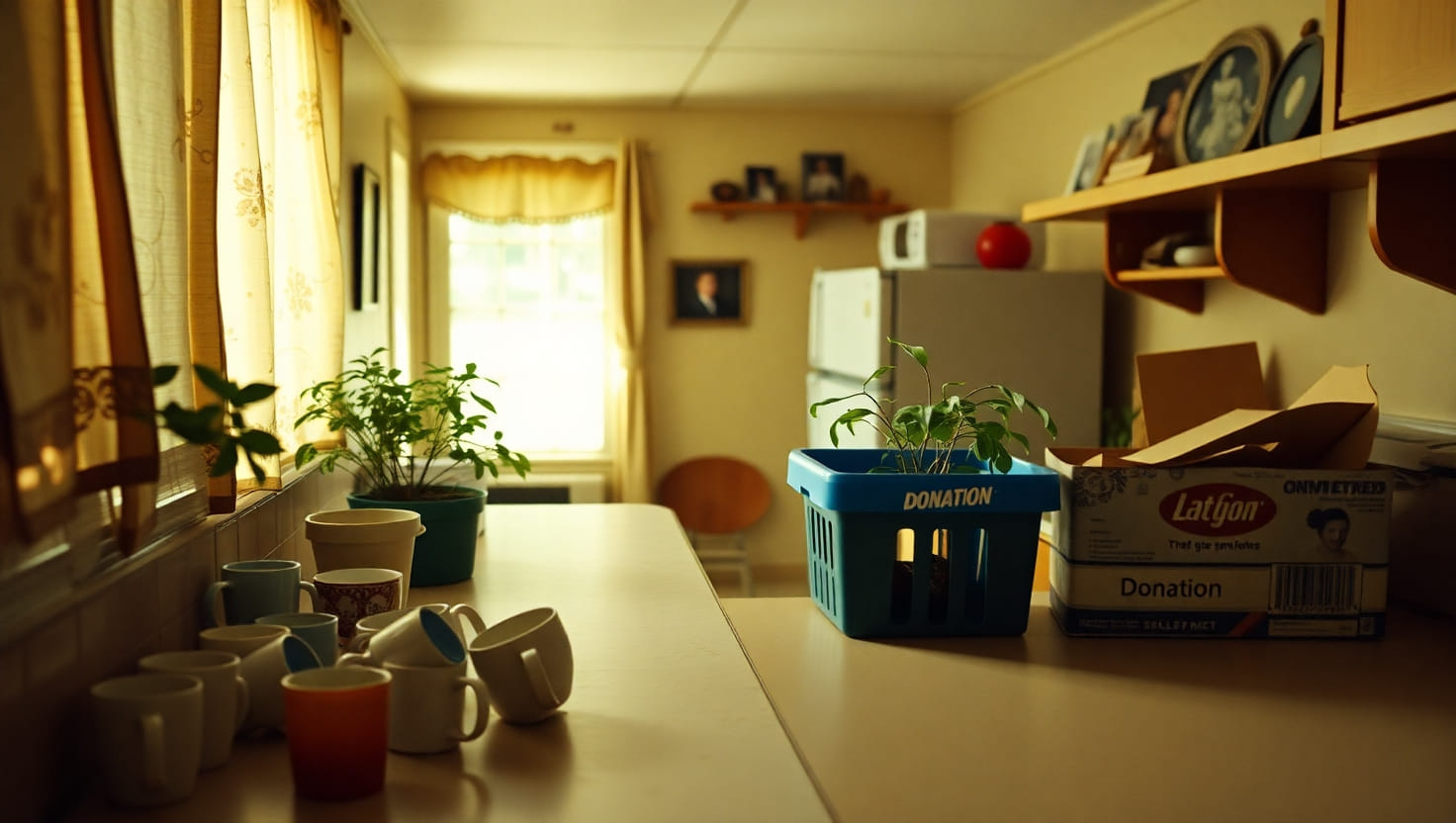
As you separate active interest from dormant intention, the basement lightens. You’re no longer surrounded by reminders of what you meant to do. You’re left with what still has momentum.
Letting go here often brings unexpected relief. Not because you failed to complete something, but because you released yourself from carrying it forward.
This shift creates space not just physically, but mentally. The basement becomes less about deferred life and more about supporting the one you’re actually living now.
Deciding What Deserves Prime Basement Space
As the basement becomes clearer, a quiet question starts to surface: what deserves the easiest access here? Not everything stored below needs to be equally reachable, and treating it that way often creates unnecessary congestion.
When you declutter basement space with access in mind, priorities tend to shift naturally. Items used seasonally or occasionally benefit from being easy to reach without rearranging half the room. Things meant for long-term holding can live farther back or higher up, without competing for daily energy.
This isn’t about ranking items by importance. It’s about reducing friction. Every time you have to move multiple boxes to reach one thing, the basement becomes more taxing than it needs to be. Over time, that friction discourages use and reinforces avoidance.
Noticing which items you’ve retrieved in the past year can be helpful, but only as information, not a rule. Access patterns reveal what still plays an active role in your life. The basement can support that role instead of working against it.
As access improves, the space often feels more cooperative. You’re no longer navigating obstacles just to be there. That ease changes how the basement functions, even if the total volume of items hasn’t dramatically changed.
Decluttering at this stage is subtle. It’s less about removal and more about alignment between the space and how you actually live.
Handling Overflow Without Creating New Piles
One common challenge during basement decluttering is overflow. As you shift items, new piles tend to appear. They’re often temporary, but they can quickly recreate the same sense of disorder you’re trying to ease.
Instead of aiming to eliminate piles entirely, it’s more realistic to work with them intentionally. A pile with a clear purpose feels different than one that’s ambiguous. The goal isn’t perfection, but clarity.
When you declutter basement areas, try to notice whether a pile represents sorting in progress, delayed decisions, or items waiting for a new home. Naming that purpose mentally can reduce the low-level stress piles often create.
Overflow is also a signal. It can indicate that certain categories or functions are still unresolved. That’s not a problem; it’s information. Rushing to collapse piles too early often leads to shuffling rather than progress.
Allowing temporary overflow while maintaining walkable space and clear zones keeps the process breathable. You can step away without losing your orientation.
Over time, as decisions settle, piles naturally shrink or disappear. The basement doesn’t need constant tidying during decluttering. It needs enough order to remain usable and calm.
Making Peace With Items You’re Unsure About
Every basement decluttering process reaches a point where uncertainty becomes the main obstacle. Items that aren’t clearly useful or clearly ready to go tend to linger. Trying to force certainty here often leads to stalled momentum.
A calmer approach is to treat uncertainty as a valid category. When you declutter basement storage, it’s reasonable to have items that sit in a neutral zone for a while. This isn’t avoidance; it’s pacing.
Uncertain items often need context before a decision feels right. Sometimes that context comes from seeing the rest of the space improve. Sometimes it comes from time passing and priorities shifting.
What matters is that uncertainty is contained. Giving these items a defined, limited area prevents them from spreading back into everything else. The basement stays orderly, even with questions still open.
This approach removes pressure from each individual decision. You’re not required to resolve every item to move forward. You’re allowed to hold some things lightly while clarity develops.
As the process continues, many uncertain items resolve themselves without effort. When they don’t, you’re approaching them from a steadier place, with less emotional noise around them.
Letting the Basement Support Daily Life, Not Just Storage
As decluttering progresses, the basement often reveals a secondary role beyond storage. It may support laundry, repairs, hobbies, or seasonal transitions. Recognizing this can shift how you use the space.
When you declutter basement areas with daily life in mind, the room becomes more functional and less abstract. Pathways matter more. Lighting matters more. The way you move through the space becomes part of the decision-making.
This doesn’t require turning the basement into finished living space. It simply means allowing the room to serve you now, not just later. Even small adjustments can make the space feel more approachable.
You might notice that some items interfere with this support role. They block access, create hazards, or demand attention without offering usefulness. Seeing that clearly often makes decisions easier.
As the basement starts to work with your routines, it feels less like a burden. You’re not visiting it only to manage clutter. You’re using it as part of your home.
That shift often marks a turning point. The basement stops feeling separate from the rest of life and starts feeling integrated, even if it remains simple and unfinished.
Recognizing When Enough Is Enough for Now
Toward the later stages of decluttering a basement, there’s a subtle but important skill: knowing when to pause. Not because everything is finished, but because the space has reached a stable, usable state.
Many people push past this point, chasing an ideal version of the basement that isn’t necessary. That’s often when exhaustion or resentment sets in. Stopping earlier preserves goodwill toward the space.
Enough might look like clear walkways, visible categories, and reduced tension when you’re downstairs. It doesn’t require empty shelves or perfectly matched containers.

When you declutter basement space with respect for your own limits, the results tend to last longer. You’re more likely to return later with clarity instead of dread.
Pausing also allows the changes to settle. Living with the new layout often reveals what still needs attention and what no longer matters.
This stage isn’t an ending. It’s a resting place. One that leaves the door open for future adjustments without demanding them now.
The basement, at this point, is no longer asking for urgency. It’s simply part of the house again, holding what it needs to hold and no more.
When Decluttering Needs to Hold, Not Restart
Many people notice that basement progress brings up a larger question. Not about where things go, but about why decluttering so often fades after a strong start. You clear space, feel lighter, and then life fills it back in again. That cycle isn’t a motivation problem. It’s usually a systems-and-timing problem that most advice skips over. Lasting change tends to come from a quieter shift in how decisions are made and repeated, especially when energy is limited. When decluttering begins to feel less like an event and more like a steady rhythm, it stops slipping away. That’s often where real relief starts to take root.