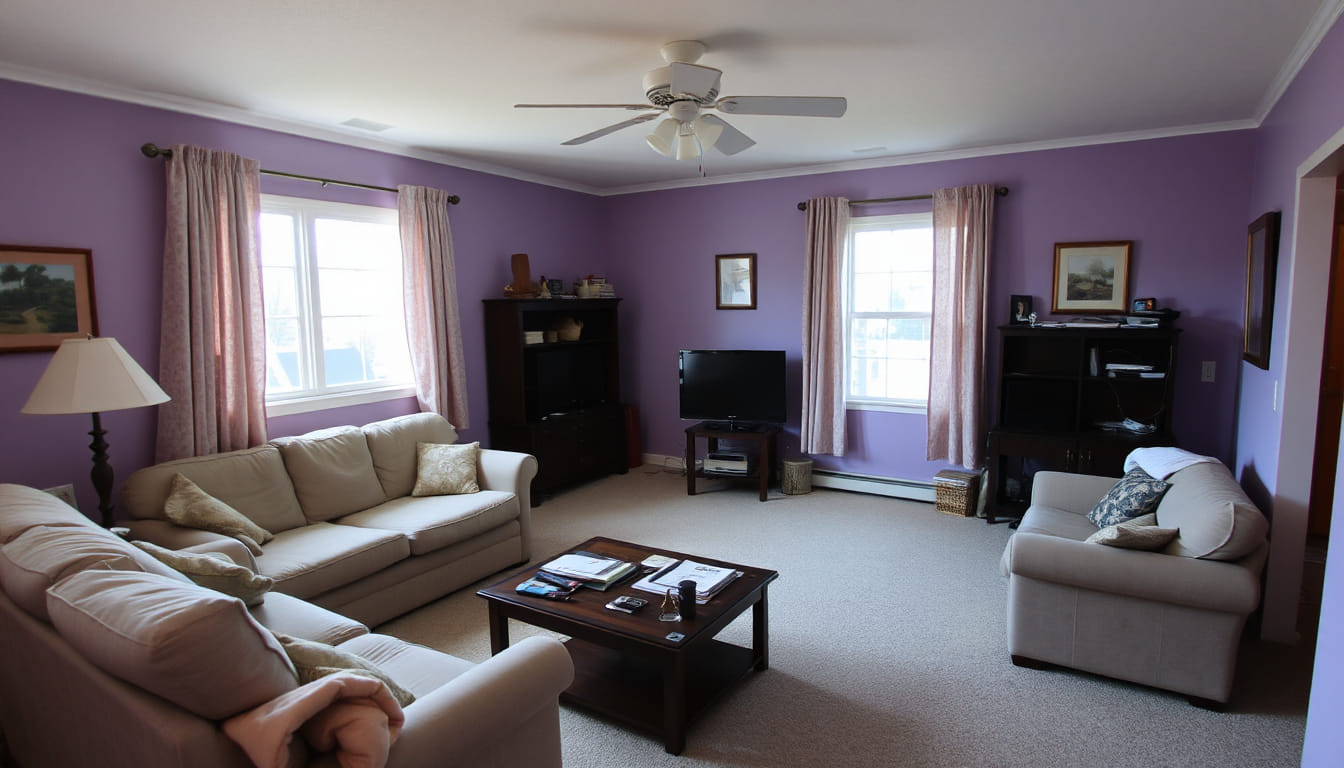
Declutter Living Room Without the Overwhelm: A Calm, Room-First Reset
A steady, room-based way to declutter the living room without pressure, timelines, or all-or-nothing rules.
The living room is often the first place clutter shows up—and the last place anyone wants to start.
It’s shared space. It holds routines, habits, and other people’s things. It also carries a quiet pressure to look “finished,” even when life isn’t.
This isn’t a fast clean or a makeover plan. It’s a slower way of looking at the living room so it feels easier to be in, not harder to manage.
You don’t need to do everything here. You don’t need a system. You don’t need momentum.
You can read this in pieces. You can pause without losing your place.
Nothing in this space needs to be fixed all at once.
Why the Living Room Feels Harder Than Other Rooms
The living room holds more than objects. It holds expectations.
It’s where guests sit, where evenings land, where unfinished projects quietly wait. Because it’s visible, clutter here can feel louder than it does anywhere else. Even a small pile can register as “something’s wrong.”
What makes this room especially difficult to declutter is that it’s rarely owned by one person. Items drift in from other rooms. Shared belongings settle without clear homes. Decisions feel heavier because they affect more than just you.
That weight often turns into avoidance. You might tidy the edges—straighten pillows, clear the coffee table—without touching what’s underneath. Not because you’re stuck, but because your brain knows this room asks more of you.
This is usually where people assume they need motivation or discipline. In reality, what’s missing is permission to move slower.
When you declutter a living room as if it were a private space, friction shows up. When you acknowledge that it’s a shared, active room, the resistance starts to make sense.
Nothing has gone wrong if this room feels complicated. It’s behaving exactly like a room that carries daily life.
Seeing that clearly is the first easing point.
Starting With How the Room Is Actually Used
Before touching anything, it helps to notice how the living room functions on an ordinary day.
Not how it’s “meant” to function. Not how it looks in photos. Just how it’s used when no one is watching.
Where do people drop things when they walk in? Which seats get used, and which stay untouched? What shows up here again and again, even after you’ve put it away?
These patterns aren’t problems to correct. They’re information.
Clutter often forms where real life disagrees with the setup of the room. Shoes near the couch, chargers on side tables, papers piling up in one corner—these are signs that the room is compensating for something.
When you start here, decluttering stops being about removal and starts being about alignment. You’re not asking, “Why is this here?” You’re asking, “What is this spot being used for?”
That shift lowers the pressure to decide immediately. It also prevents the common cycle of clearing a space only to watch it refill.
You don’t need to name solutions yet. Just noticing patterns is enough for now.
The room is already telling you what it needs. Listening comes before changing.
Clearing Visual Noise Without Making Decisions
One of the quickest ways to calm a living room isn’t through sorting—it’s through visual quiet.
Visual noise comes from surfaces carrying too many messages at once. Stacks, layers, mixed categories, and half-finished intentions all compete for attention. Your brain processes them constantly, even when you’re not aware of it.
This is where many people get stuck, because they think clearing a surface requires deciding the fate of every item on it. It doesn’t.
You can reduce visual noise without making a single keep-or-donate choice.
Grouping like items together. Moving stray objects into one temporary container. Clearing just enough space that the surface can breathe.
These are not shortcuts. They’re regulation.
When the room looks calmer, your nervous system follows. Decisions feel less urgent. Thinking becomes clearer.
This step is especially helpful in shared spaces because it avoids negotiations. You’re not deciding what stays forever. You’re simply lowering the volume.
If you stop here for now, that’s fine. A quieter room is already doing part of the work for you.
Decluttering doesn’t have to start with commitment. Sometimes it starts with relief.
Letting Go of the Idea of a “Finished” Living Room
Many living rooms stay cluttered because they’re waiting for a version of life that isn’t happening yet.
The room is meant to be calmer, cleaner, more put together—once schedules settle, once kids are older, once there’s more time. Until then, everything stays in a holding pattern.
This creates a strange kind of clutter: items kept for a future version of the room that never fully arrives.
Throw blankets that don’t get used. Decor that doesn’t fit how the room feels now. Furniture arranged for entertaining that rarely happens.
Letting go of the idea of “finished” can be more powerful than letting go of objects.
When you allow the living room to match your current season, decisions get lighter. You’re no longer curating for a hypothetical life. You’re supporting the one that’s actually happening.
This doesn’t mean lowering standards. It means adjusting the target.
A living room can be functional, welcoming, and imperfect all at once.
Releasing the pressure to complete it opens space for smaller, truer choices.
Creating Boundaries for What Belongs Here
Clutter often builds in the living room because it’s treated as a neutral zone. Anything can land there. Everything passes through.
Over time, that makes the room work harder than it should.
Instead of asking what to remove, it can help to gently define what belongs.
Not with rules. With boundaries.
What kinds of activities happen here? Resting, watching, talking, reading. When an item doesn’t support those uses, it tends to linger without purpose.
This isn’t about kicking things out immediately. It’s about noticing mismatch.
Mail that belongs to an office. Toys that have outgrown the space. Projects that never get picked up here.
When boundaries become clearer, clutter loses its camouflage. Items no longer blend in just because there’s room.
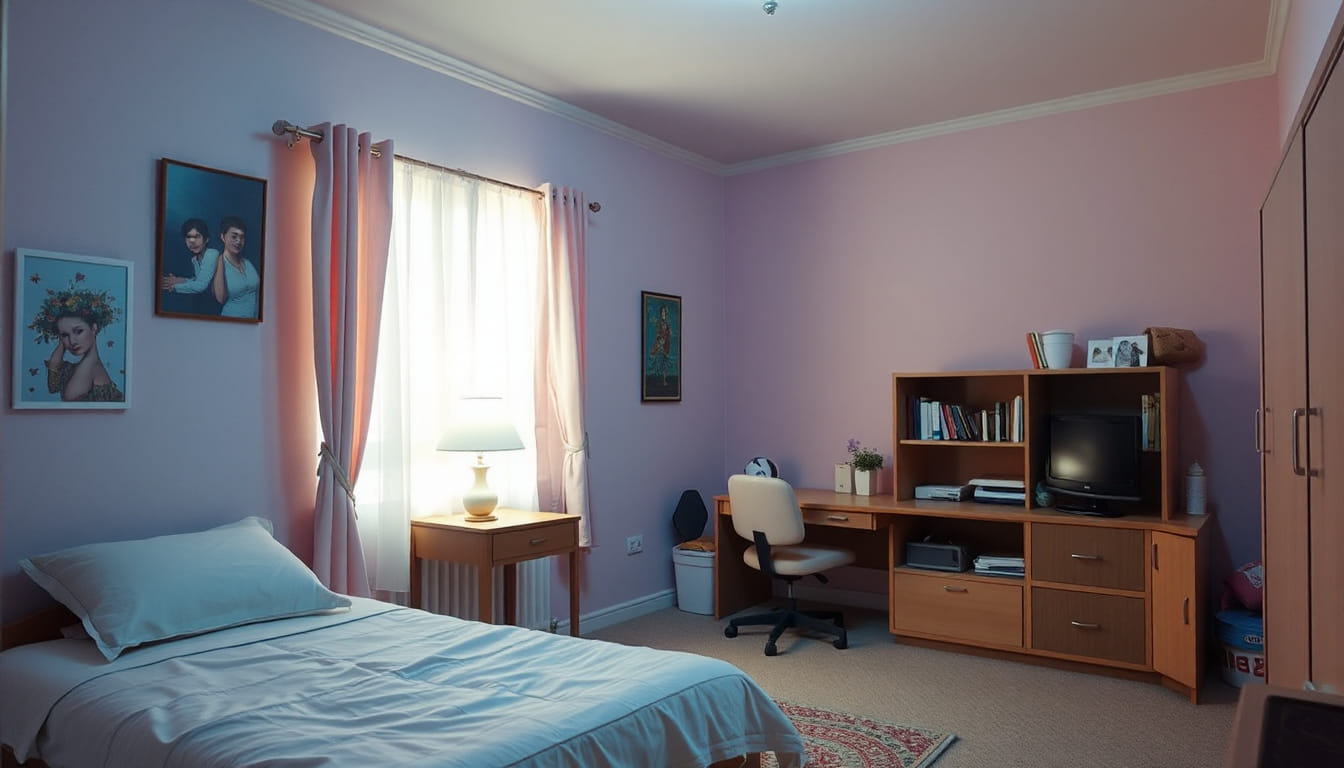
You don’t need to act on every realization right away. Awareness alone shifts how the room feels.
A living room with softer boundaries feels easier to maintain—not because it’s stricter, but because it’s clearer.
That clarity is often what people have been missing all along.
Working With Other People’s Things Without Tension
Decluttering a living room often brings up a quiet complication: not everything in the room is yours.
Shared spaces collect shared ownership, even when that ownership is informal or unspoken. A jacket left on a chair. A stack of magazines someone else is still reading. Objects that technically belong to someone, but live in the common area.
This is where many people stall, not because they don’t know what to do, but because they don’t want friction.
It can help to separate movement from permission.
You’re allowed to shift items without deciding their final outcome. Gathering someone’s things into a single basket. Moving them closer to where that person usually sits. Creating a temporary “this belongs to you” zone without commentary.
These actions aren’t passive-aggressive. They’re spatial clarity.
When belongings are grouped instead of scattered, conversations—if they ever need to happen—are calmer. The room stops carrying the tension for you.
It’s also okay if some items simply stay. Decluttering a shared space doesn’t require unanimous agreement on every object. It requires enough order that the room can function without irritation.
The goal isn’t control. It’s coexistence.
When you approach shared items with neutrality instead of urgency, the living room starts to feel less like a negotiation table and more like a place to land.
Choosing One Surface to Reset Gently
Trying to address the entire living room at once usually backfires.
There are too many surfaces, too many categories, too many decisions layered on top of each other. The brain reads that as risk and looks for an exit.
This is where choosing a single surface can change everything.
Not the biggest one. Not the messiest. Just one that you see often enough to matter.
A coffee table. One side table. The top of a media console.
The purpose here isn’t completion. It’s calibration.
As you clear that surface, you’re learning how much decision-making energy you actually have right now. You’re noticing what feels easy and what feels sticky. You’re setting a pace your nervous system can tolerate.
This is also where restraint matters. Stopping before you’re tired. Leaving a few items undecided on purpose. Letting the surface be mostly clear, not perfect.
A single reset surface becomes a reference point. It shows you what “lighter” feels like in this room.
You don’t need to expand immediately. Sometimes the relief of one clear place is enough for the day.
Decluttering doesn’t have to scale up to be valid. Small, contained shifts often do more than sweeping changes ever could.
Releasing Decor That No Longer Matches the Room’s Energy
Decor tends to stay long after it stops doing its job.
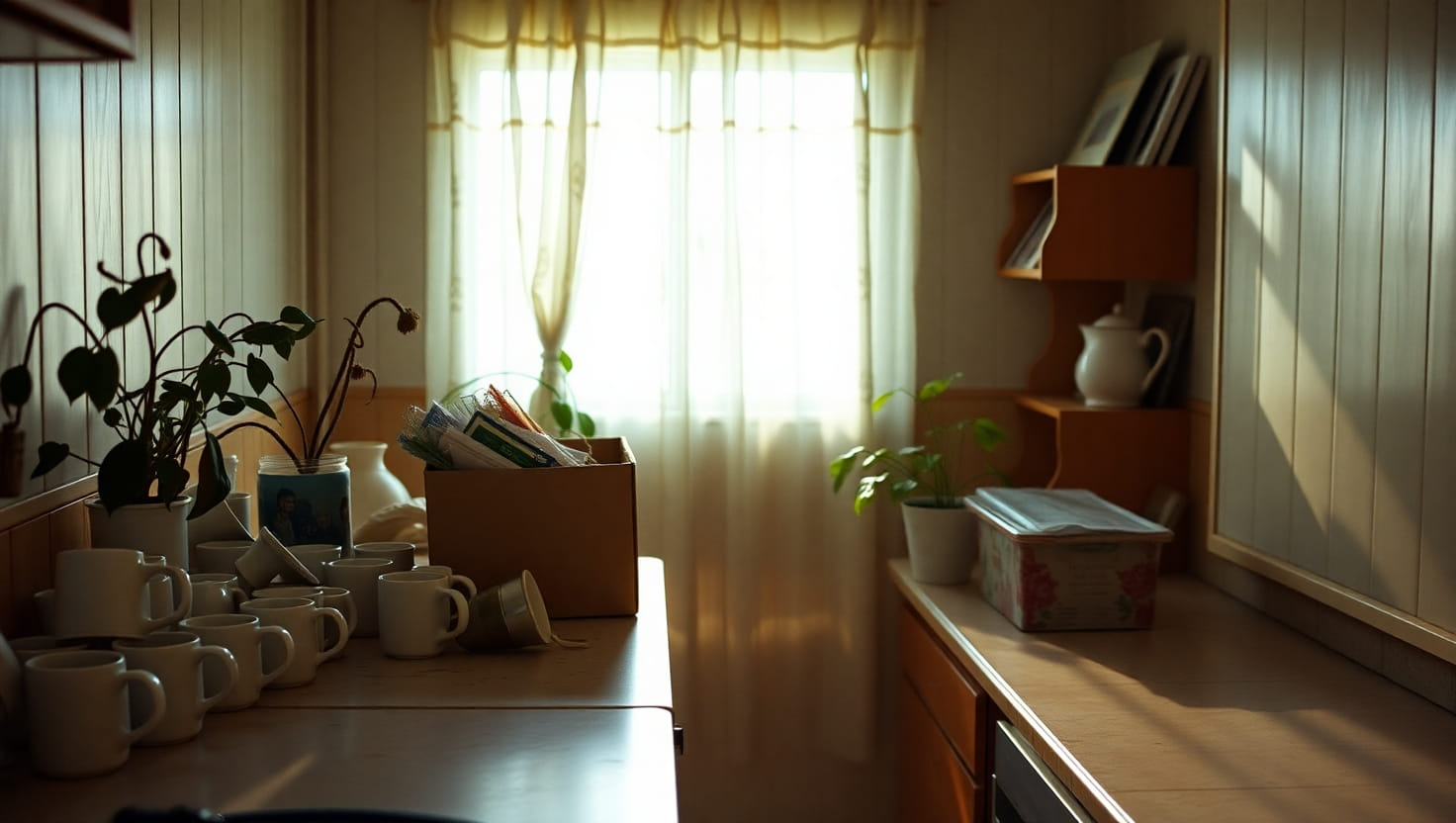
Unlike clutter tied to daily use, decorative items don’t create obvious friction. They just quietly add weight. Too many pieces competing. Styles that no longer feel like you. Objects chosen for a past version of the room.
This can be hard to notice because nothing is technically “wrong.”
A useful question here isn’t whether you like something, but whether it supports how the room feels now.
Does it calm the space or busy it? Does it anchor the room or ask for attention every time you pass by?
You don’t need to strip the room bare. Often, removing one or two pieces creates more breathing room than you expect.
This isn’t about trends or minimalism. It’s about resonance.
Decor that no longer fits can make a room feel slightly off without you knowing why. Letting go of it often brings an immediate, quiet relief.
If you’re unsure, try subtraction as an experiment. Move an item out for a week. Notice how the room feels without it.
The living room doesn’t need to say everything at once. Fewer signals often make it more welcoming, not less.
Adjusting Storage So Clutter Has Fewer Chances
Clutter doesn’t just appear. It follows the path of least resistance.
If the living room doesn’t have easy places for everyday items, they’ll land wherever there’s space. Arms of couches. Floors. Corners that slowly become default zones.
Instead of asking people to be neater, it’s often more effective to adjust storage slightly.
This doesn’t mean buying containers or redoing furniture layouts. Sometimes it’s as small as moving a basket closer. Lowering a shelf. Letting go of storage that’s technically there but annoying to use.
When storage is too full, too hidden, or too precious, items won’t return to it.
The goal is accessibility, not aesthetics.
A living room that’s easy to reset is one where objects have obvious, forgiving homes. Not perfect ones.
If something keeps landing in the same wrong spot, that’s feedback. The room is telling you what it needs, not what you’re failing to do.
Listening to that feedback reduces effort over time. Maintenance becomes lighter because the room works with you instead of against you.
That cooperation is what keeps clutter from rebuilding as quickly.
Allowing the Room to Be “Done Enough” for Now
One of the most important parts of decluttering a living room is knowing when to stop.
Not because everything is finished, but because your capacity has been met.
There’s a quiet skill in leaving a room while it still feels okay. While energy is intact. While the work doesn’t carry resentment.
This is often where traditional advice pushes too hard—encouraging you to finish the category, complete the zone, push through resistance.
In real homes, stopping early is often what allows you to return.
A living room can be lighter without being complete. More functional without being final.
Letting “done enough” be enough protects the progress you’ve made. It keeps decluttering associated with relief instead of depletion.
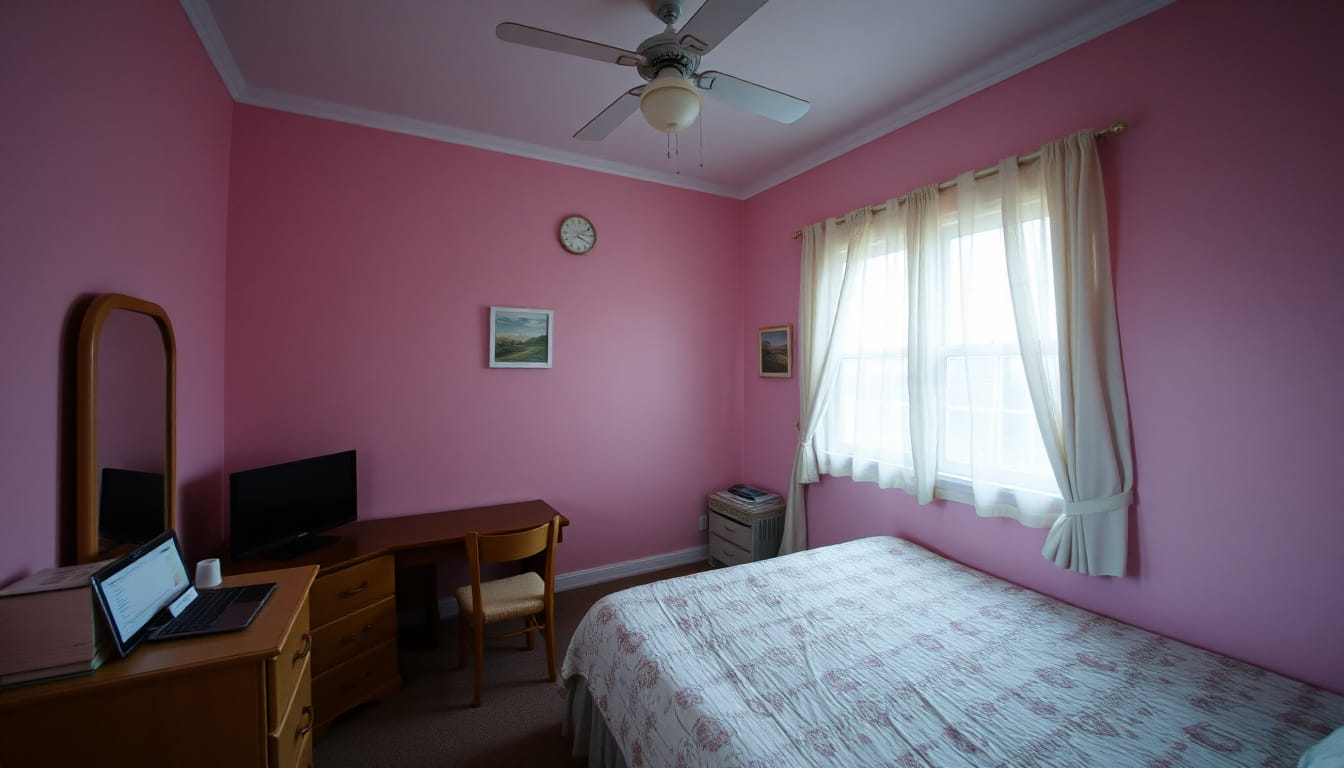
You’re allowed to leave a pile for later. You’re allowed to pause mid-process. You’re allowed to decide that today’s version of the room is sufficient.
The living room isn’t a project to close out. It’s a space that shifts as life does.
Meeting it where it is—again and again—is what makes decluttering sustainable, even when nothing is perfect yet.
Making Peace With Items That Don’t Have Clear Homes
Every living room has a few items that resist categorization.
They’re not trash. They’re not decor. They don’t clearly belong to another room. They hover.
Remote controls, reading glasses, notebooks, hobby supplies, comfort items—things that are actively used but don’t quite fit anywhere.
These items often become the background clutter that never fully leaves.
Instead of forcing them into artificial homes, it can help to acknowledge their in-between status.
A shallow tray. A small basket. One drawer that isn’t optimized, just available.
This isn’t giving up. It’s containment.
When these items are allowed to exist without justification, they stop spreading. They’re easier to put back because there’s no internal debate every time you touch them.
Trying to solve these objects perfectly usually leads to overthinking or repeated reshuffling. Giving them a modest, honest place reduces that mental churn.
Not everything needs a labeled system. Some things just need permission to stay visible without being everywhere.
That permission often brings more calm than another round of organizing ever could.
Letting Furniture Placement Support Decluttering
Furniture plays a quieter role in clutter than most people realize.
When pieces are awkwardly placed, too large, or misaligned with how the room is used, clutter compensates for the discomfort. Items pile up in places that feel unfinished or unused.
You don’t need to rearrange the entire living room to notice this. Sometimes it’s as simple as observing which areas feel easy to sit in and which feel ignored.
Unused chairs collect bags. Empty corners gather stacks. Tables that are slightly too far away invite piles because they’re inconvenient to use properly.
Small shifts can change this dynamic.
Pulling seating closer together. Removing one extra piece. Creating clearer walking paths.
When the room feels more intuitive to move through, clutter has fewer places to settle unnoticed.
This isn’t about design rules. It’s about friction.
If something in the room subtly resists use, objects will fill the gap. Adjusting furniture can quietly reduce that resistance without touching a single item.
The room becomes more cooperative, which makes everything else easier to maintain.
Recognizing When Clutter Is Carrying Emotional Weight
Some living room clutter isn’t about use at all.
It’s about memory, identity, or unfinished chapters.
Items tied to hobbies you no longer have energy for. Gifts that represent relationships you’re unsure how to hold. Objects that once symbolized who you were trying to be.
These don’t announce themselves as emotional. They just feel heavier to move.
When you notice that hesitation, there’s no need to push past it. Decluttering doesn’t require emotional resolution on demand.
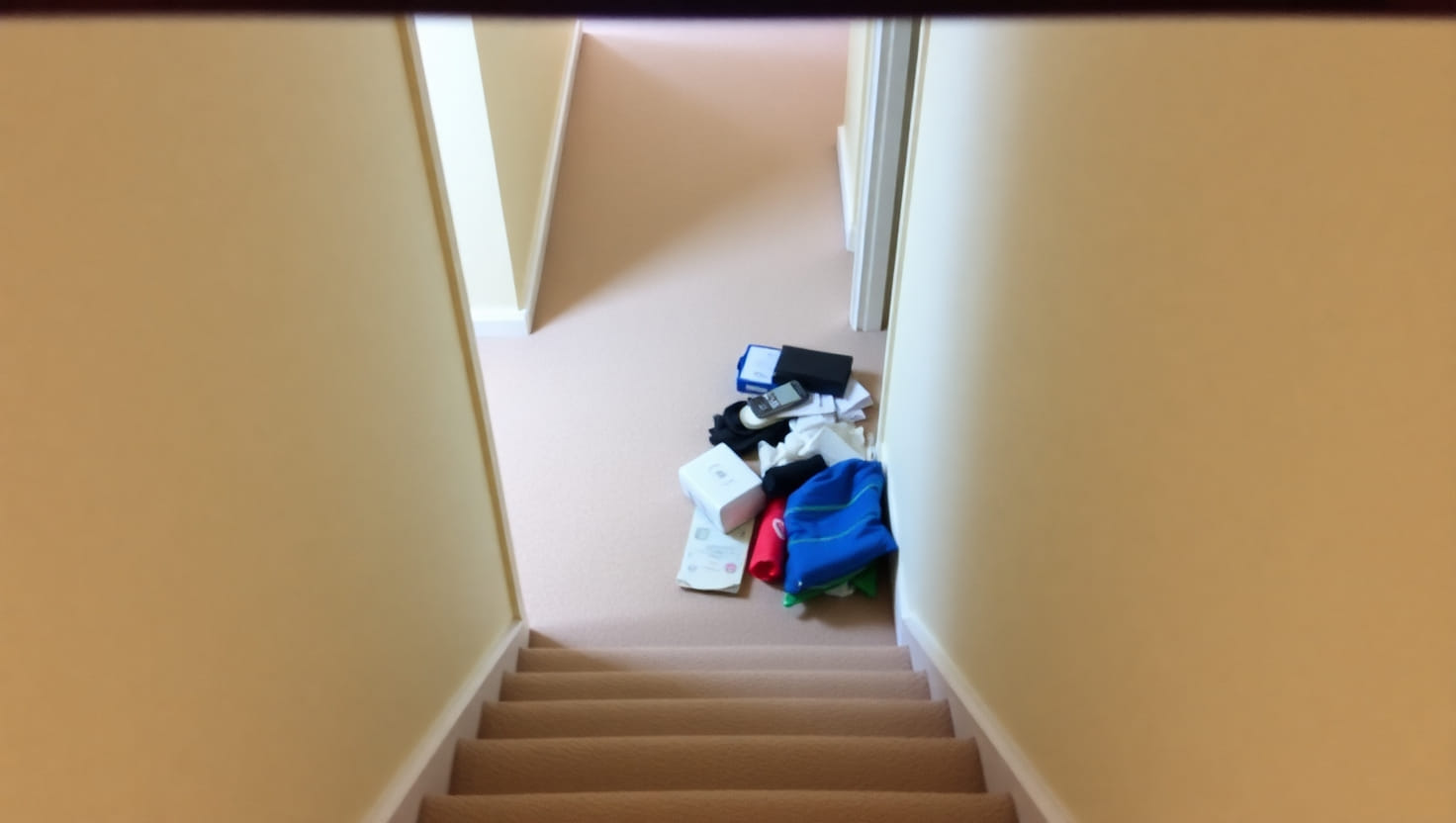
Sometimes the most supportive choice is to let those items rest, clearly contained, without pressure to decide.
A box placed intentionally. A shelf that becomes a holding space instead of a display.
Naming something as “not ready yet” is a valid decision.
When emotional weight is acknowledged instead of overridden, it tends to soften over time. Clarity often arrives later, without effort.
The living room doesn’t need to process your entire history. It just needs to feel livable right now.
Allowing that distinction keeps decluttering humane instead of draining.
Using Routine, Not Willpower, to Keep the Room Clearer
What keeps a living room from refilling usually isn’t motivation. It’s rhythm.
Short, repeatable resets matter more than occasional big efforts.
This doesn’t have to be scheduled or formal. Often it’s tied to something that already happens—before bed, after a show, while waiting for coffee.
The key is keeping the reset smaller than your resistance.
Straightening one surface. Returning obvious items. Clearing the floor.
These moments aren’t about improvement. They’re about containment.
When the room is gently reset often, clutter never reaches the level that demands a major decision session. That’s where burnout usually begins.
If a routine feels heavy, it’s too much. The living room should not require maintenance that you resent.
Light, imperfect consistency is enough to protect the ease you’ve created.
The goal isn’t to keep the room “done.” It’s to keep it from becoming overwhelming again.
Letting the Living Room Reflect Real Life, Not Aspirations
At some point in the decluttering process, the living room reveals a simple truth: it’s not a showroom.
It’s a space shaped by real evenings, real bodies, real habits.
When decluttering is guided by aspiration—how the room could look, who you might be there—it often creates tension. Items are kept or removed based on ideals rather than use.
When it’s guided by reality, the room softens.
This might mean fewer decorative objects and more comfort items. It might mean accepting that the room is multifunctional, not pristine.
A living room that reflects actual life tends to stay clearer because it doesn’t fight against daily patterns.
There’s less guilt when things are visible. Less pressure to maintain an image.
Decluttering, at its best, isn’t about transforming the room into something new. It’s about allowing it to be honest.
That honesty is usually what makes a space feel calm enough to stay in—without needing constant correction.
When Decluttering Starts to Feel Like It Could Hold
If you’ve noticed that this approach feels quieter, that’s not an accident. For many people, decluttering only becomes sustainable when it stops relying on urgency and willpower. When it works with attention, energy, and real life instead of against them. At some point, the question shifts from how do I clear this room to why does some decluttering finally stick while other attempts fade. That curiosity matters. It usually shows up when you’ve had a taste of ease and want to understand how to keep it—gently, without starting over each time.