Declutter Small Bedroom Without Feeling Boxed In or Overwhelmed
A calm, room-specific approach to decluttering a small bedroom that respects limited space, limited energy, and real life.
A small bedroom has a way of holding more than it looks like it should.
Not just furniture or clothes, but decisions you haven’t had time to make yet. Things you keep meaning to deal with. Items that feel too useful, too sentimental, or too expensive to move along quickly.
If you’re here because your bedroom feels tight, crowded, or hard to rest in, this isn’t about fixing it fast. It’s about understanding why small bedrooms become overwhelming so easily—and how to work with the space instead of fighting it.
You don’t need a perfect layout or a dramatic reset. You don’t even need momentum yet.
This is a slower, steadier look at how decluttering a small bedroom actually works when space is limited and life is already full. You can read it without doing anything at all. Sometimes that’s where clarity starts.
Why small bedrooms feel overwhelming faster than other rooms
A small bedroom doesn’t give clutter much room to hide. In larger spaces, excess can spread out and stay visually quiet for a while. In a smaller room, everything stacks on top of everything else—physically and mentally.
What usually gets labeled as “too much stuff” is often a mix of competing purposes. The bedroom becomes a sleeping space, a storage unit, a dressing room, and sometimes a workspace. Each role brings its own objects, and the room quietly absorbs them all.
Because bedrooms are private, clutter there tends to be postponed. Doors close. Lights go off. The room becomes something you move through instead of settle into. Over time, that avoidance adds weight. Even when nothing new is added, the space can start to feel heavy.
Another layer is emotional. Bedrooms hold identity more than most rooms. Clothes, books, hobbies, unfinished plans—they all live close to where you rest. Letting go in this space can feel more personal, which slows decisions down.
Understanding this matters. It reframes the problem from “I’m bad at keeping this room under control” to “this room is doing more than it was built for.” That shift alone often lowers the pressure enough to see the space more clearly.
Starting with space reality instead of ideal layouts
When people think about how to declutter a small bedroom, they often picture an ideal version first. Minimal furniture. Clear surfaces. Everything fitting neatly where it “should.” That image can be motivating—but it can also quietly shut things down.
Small rooms don’t respond well to borrowed layouts. What works in a staged photo or a larger home doesn’t always translate when every inch matters. Forcing an ideal can lead to frustration before anything actually changes.
A steadier place to begin is with the room as it is right now. The actual walls. The actual storage. The way the door opens. The way light moves through the space. This isn’t settling—it’s orienting.
When you acknowledge spatial limits upfront, decisions become more practical. You stop asking, “Do I want this?” and start asking, “Does this fit the way this room truly functions?” That question is quieter and often easier to answer.
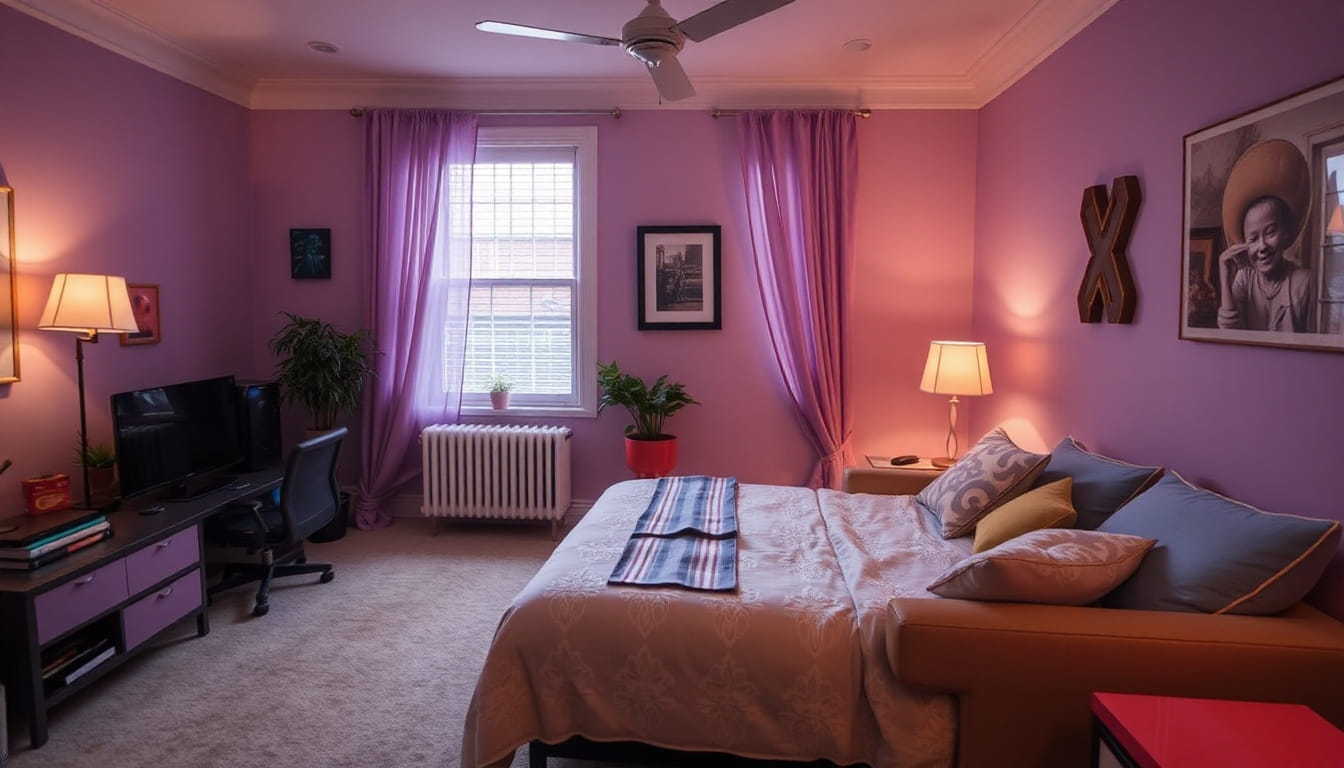
This approach also removes urgency. You’re not racing toward a finished look. You’re learning the boundaries of the room so they can guide you instead of block you.
Decluttering a small bedroom works best when the space sets the rules. Not trends. Not someone else’s system. Just the room, honestly assessed, becoming the container for what stays.
The hidden cost of keeping things “just in case” in a small room
In a small bedroom, “just in case” items take up more than physical space. They take up options.
Extra blankets, backup furniture, clothes for alternate versions of life—they all seem reasonable on their own. The issue isn’t usefulness. It’s density. When many reasonable things coexist in a tight space, the room loses flexibility.
What often goes unnoticed is how these items affect daily movement. Drawers become harder to open. Closets require rearranging every time. Cleaning feels more involved than it should. These small frictions add up, especially in a room meant for rest.
There’s also a subtle mental toll. “Just in case” items keep future scenarios active. They ask you to hold space for possibilities that may never come. In a small bedroom, that future-facing clutter sits right next to where you sleep.
This doesn’t mean those items are wrong to keep. It means they deserve clearer criteria. In limited space, usefulness has to include ease. If an item complicates the room more than it supports your current life, it’s costing more than it seems.
Recognizing this isn’t about forcing decisions. It’s about noticing which things quietly tax the space—and which ones actually help it feel livable.
How furniture choices can quietly create clutter
Furniture is rarely questioned during a declutter, especially in bedrooms. Beds, dressers, nightstands—they feel fixed, almost invisible. But in a small bedroom, furniture often does more to shape clutter than the items themselves.
Oversized or underused pieces create dead zones. Corners that collect piles. Surfaces that invite stacking. Drawers that become mixed storage because there’s no other place for things to land.
Sometimes furniture was chosen for a different phase of life. A larger wardrobe. A different routine. A past home. The room changes, but the furniture stays, quietly dictating what can and can’t fit.
This isn’t about replacing everything. It’s about noticing alignment. Does each piece support how the room is actually used now? Or does it demand workarounds?
When furniture and function mismatch, clutter compensates. Items hover without homes. The room feels busy even when it’s not full.
Seeing furniture as part of the decluttering conversation often opens space without touching a single personal item. It shifts the focus from managing belongings to shaping the container they live in—which can feel surprisingly relieving.
Why decluttering clothes feels different in a small bedroom
Clothing decluttering carries its own weight, and in a small bedroom that weight is amplified. Closets are tighter. Drawers fill faster. Seasonal overlap becomes harder to manage.

But the challenge isn’t just volume. It’s proximity. Clothes sit close to identity. Every decision can feel like a statement about who you are, who you were, or who you might still become.
In a small room, this closeness removes distance. There’s no spare closet to hold uncertainty. Everything stays in view, or just barely out of sight, which keeps decisions active even when you’re not addressing them.
That’s why clothing clutter often creates more mental noise than other categories. It’s not about organization—it’s about unresolved questions.
A calmer approach is to notice friction rather than force clarity. Which clothes make the room harder to use? Which ones interrupt flow, crowd drawers, or require constant adjusting?
This reframes decluttering away from identity and toward livability. You’re not deciding who you are. You’re deciding what allows the room to function with less effort.
In a small bedroom, that distinction matters. It lowers the emotional cost of each choice and makes space—literally and mentally—for rest.
The role of visual noise in a tight sleeping space
Visual noise is often what people react to first in a small bedroom, even if they can’t quite name it. It’s the feeling that the room never fully settles, no matter how much you tidy. In smaller spaces, the eye has fewer places to rest, so every exposed item carries more weight.
This doesn’t mean the room needs to be sparse. It means the balance between open space and visible objects matters more. When too many items compete for attention—patterns, colors, stacks, mismatched surfaces—the room can feel busy even when it’s technically organized.
What’s tricky is that visual noise isn’t always clutter in the traditional sense. A neatly arranged collection can still overwhelm a small room if it dominates the visual field. Open shelving, for example, often looks appealing but can quietly raise the room’s energy level when space is limited.
In bedrooms, this matters because rest depends on visual calm. If your eyes are constantly processing, your body never quite lands. That’s why decluttering here often feels more emotional than logical.
Noticing visual noise isn’t about judging taste. It’s about observing how the room feels when you enter it. Which areas draw your eye immediately? Which corners feel calmer? These observations gently point toward what might be asking for less visibility, not necessarily less presence.
Storage solutions that help—or quietly hurt—small bedrooms
Storage is usually presented as the answer to small-bedroom clutter. More bins. More organizers. More ways to fit things in. And sometimes that helps. But sometimes storage solutions quietly make the problem heavier.
In tight rooms, storage that adds bulk can steal more space than it saves. Tall bins that block light. Under-bed boxes that make the room feel grounded and dense. Drawer dividers that reduce flexibility instead of increasing it.
Another issue is false containment. When storage allows you to keep everything, nothing has to be decided. The room fills to capacity, but the underlying tension remains. You’re still managing fullness—just in a more structured way.
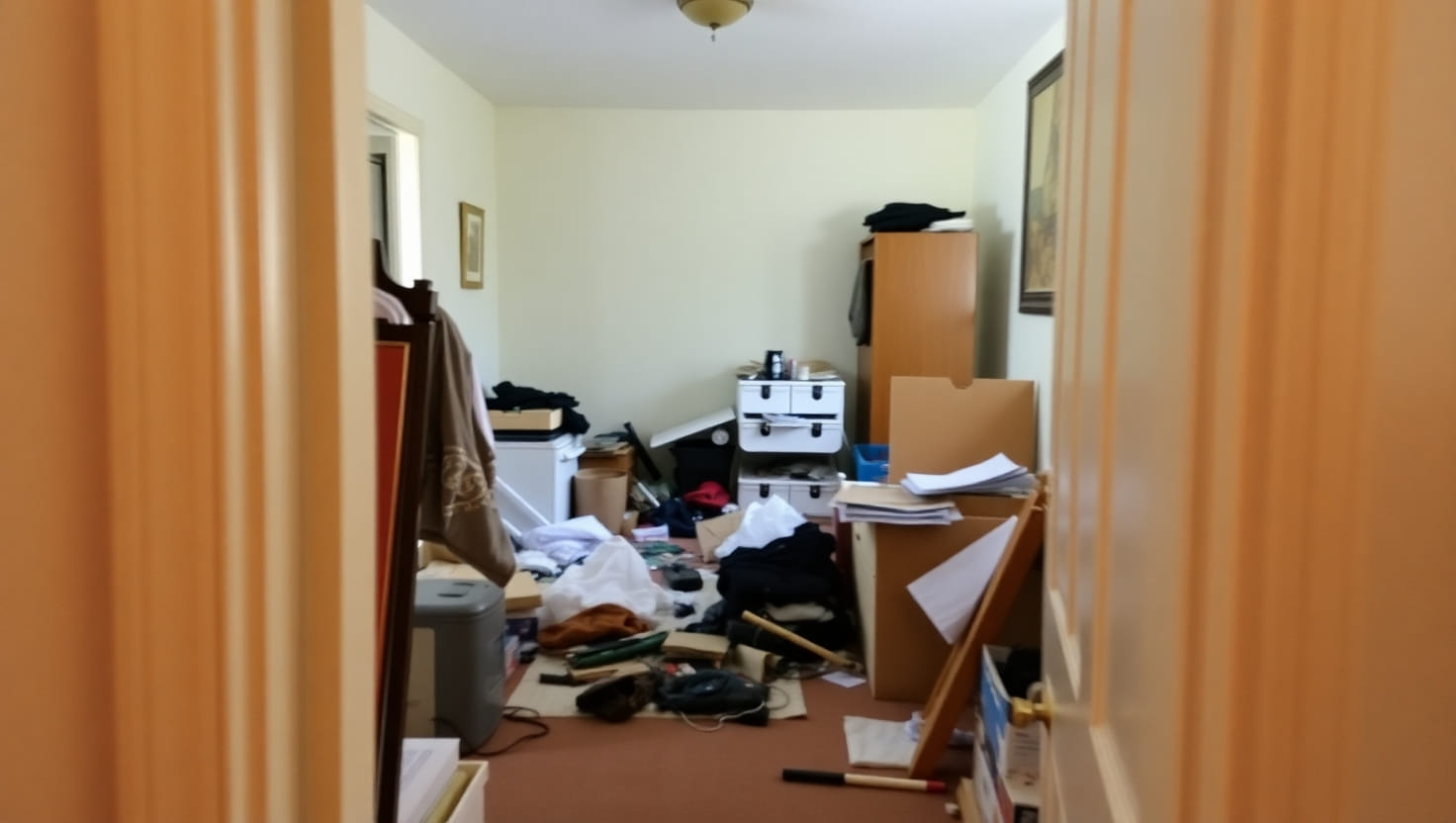
Helpful storage in a small bedroom usually does one of two things. It reduces what’s visible, or it reduces effort. Ideally both. When storage adds steps, layers, or mental tracking, it becomes another form of clutter.
This is why simple solutions often outperform clever ones. Fewer categories. Fewer containers. Storage that matches the pace of daily life rather than an ideal system.
Seeing storage as a support rather than a fix changes how you evaluate it. Instead of asking, “Does this hold more?” you begin asking, “Does this make the room easier to live in?” In small spaces, that question leads to lighter outcomes.
Letting go of “temporary” piles that became permanent
Most small bedrooms develop temporary piles. Clothes set aside to decide later. Items meant to be put away once you have time. Things that don’t have a clear home yet. These piles usually start with good intentions.
The problem is time. Temporary piles often outlive the moment they were created. They blend into the room and become part of the landscape. You stop seeing them as active decisions and start seeing them as features.
In a small bedroom, these piles take up more than surface area. They interrupt flow. They create visual stops. They make the room feel unfinished, which can subtly increase stress.
What keeps these piles in place isn’t laziness. It’s decision fatigue. Each pile represents unresolved choices, and when energy is limited, the brain chooses familiarity over resolution.
Decluttering here isn’t about tackling the whole pile at once. It’s about noticing which “temporary” items have overstayed without intention. Which ones no longer feel temporary, but simply stuck.
Sometimes the most relieving shift is acknowledging permanence. Either an item earns a real place, or it’s allowed to leave. Naming that choice—internally—often dissolves the pile faster than sorting ever did.
In a small bedroom, reducing the number of unresolved zones can change how the entire room feels, even before anything dramatic is removed.
How shared bedrooms complicate decluttering decisions
Decluttering a small bedroom is more complex when the space is shared. Whether with a partner, a child, or even a pet, shared use multiplies needs without multiplying square footage.
What often happens is silent negotiation. One person adapts. The other accumulates. Or both compromise without clarity. Over time, resentment can build—not necessarily toward the clutter itself, but toward the lack of space to exist comfortably.
Shared bedrooms also blur ownership. Items overlap. Surfaces become neutral zones. Storage fills unevenly. Decluttering decisions can start to feel personal, even when they’re really about function.
The key shift is moving away from “whose stuff is this?” and toward “how does this space need to work?” That question is less confrontational and more practical.
In small shared rooms, fairness doesn’t always mean equal space. It means sufficient space for daily rhythms. Sleep, dressing, moving through the room without friction.
Sometimes this leads to unexpected adjustments—reassigning storage, redefining surfaces, or simply naming constraints out loud. None of that requires immediate action. It requires shared understanding.
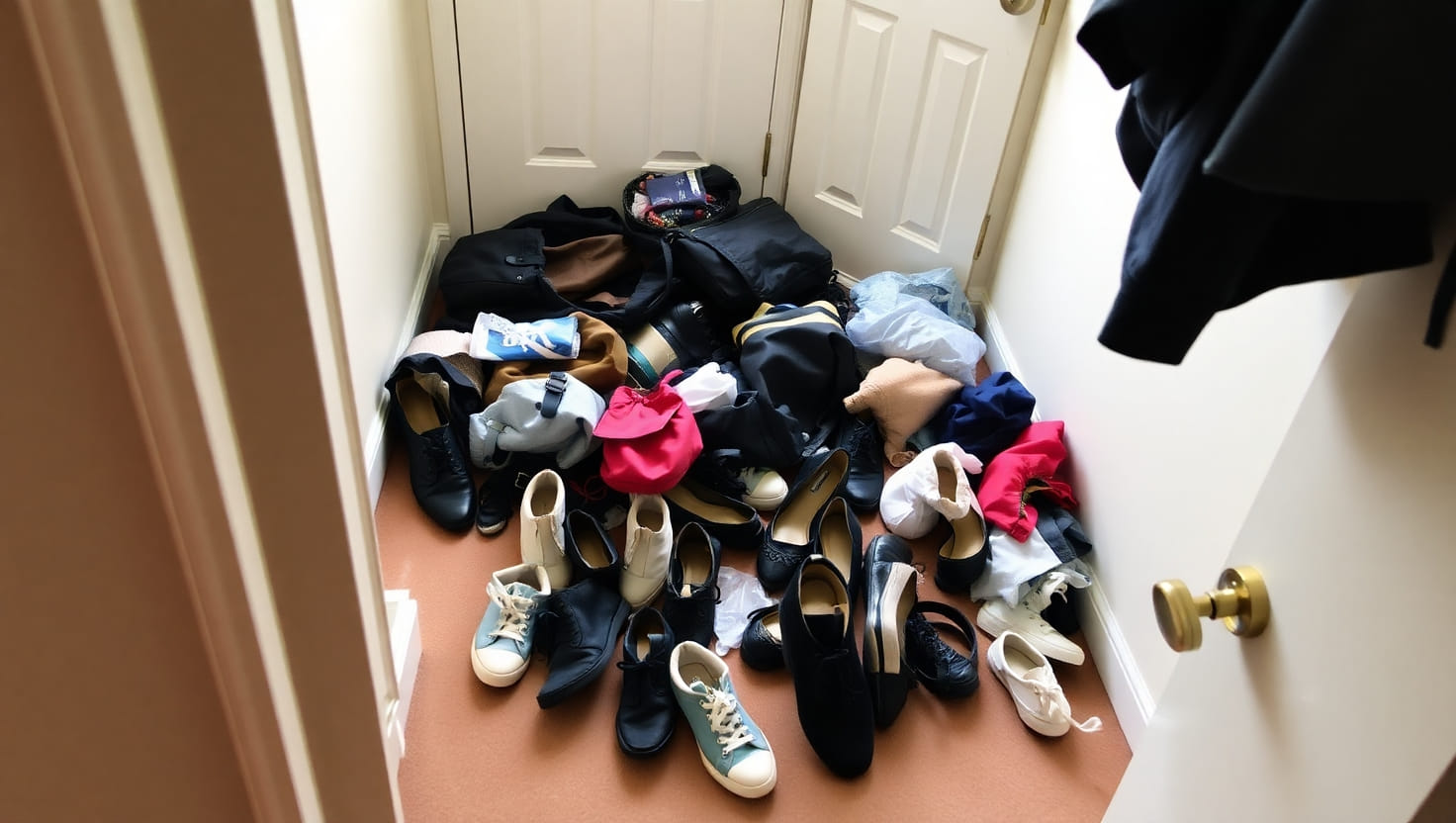
When both people can see the room as a limited resource instead of a personal battleground, decluttering becomes a joint problem-solving process rather than a test of priorities.
The connection between floor space and mental ease
Floor space is often overlooked when decluttering a small bedroom, yet it has a disproportionate effect on how the room feels. Clear floor space isn’t just about cleanliness—it’s about freedom of movement and mental breathing room.
When floors are crowded, the body adapts. Steps shorten. Paths narrow. Movement becomes careful instead of natural. Over time, this subtle restriction can translate into a feeling of being boxed in, even if you can’t articulate why.
Mentally, floor clutter keeps the room in a state of partial alertness. Your brain tracks obstacles, adjusts routes, and stays engaged when it would rather rest. This is especially noticeable at night or first thing in the morning.
Decluttering floor space doesn’t mean emptying the room. It means noticing what lives on the floor by default rather than by choice. Items without a home often end up here because it’s the path of least resistance.
Once something claims floor space, it’s harder to question. It feels heavy. Fixed. But floors are meant to be transitional, not storage.
Even small shifts—moving one item, reclaiming one path—can change how the room is experienced. In small bedrooms, the floor often holds the key to feeling less confined without changing anything else.
When sentimental items take over limited space
Sentimental items behave differently in a small bedroom. In larger homes, they can be tucked away, stored out of sight, or spread across rooms. In a smaller space, they tend to live close—on shelves, dressers, or under the bed—because there simply isn’t anywhere else.
The challenge isn’t sentiment itself. It’s saturation. When many meaningful items share a small visual field, each one loses clarity. Instead of feeling comforting, the collection can start to feel heavy or distracting.
What complicates things further is timing. Sentimental items often belong to earlier seasons of life. Past homes. Past versions of you. Keeping them nearby can blur the boundary between then and now, especially in the room where you rest and reset.
Decluttering here doesn’t require deciding what memories matter. It’s more about deciding how much proximity those memories need. Some items want to be close. Others are better honored with distance.
In small bedrooms, emotional weight accumulates faster because there’s less neutral space to balance it. Even deeply loved items can benefit from rotation or containment that reduces constant exposure.
This isn’t about minimizing meaning. It’s about letting meaning breathe. When sentimental items have room—physical and emotional—they tend to feel more supportive and less demanding.
Why nightstands and dressers become decision bottlenecks
Nightstands and dressers often turn into quiet problem zones in small bedrooms. They’re convenient, reachable, and used daily. That combination makes them magnets for half-decisions.
A book you’re still reading. Jewelry you haven’t put away. Notes, chargers, skincare, glasses. Each item makes sense in the moment, but together they create congestion. The surface fills, and with it, mental load increases.
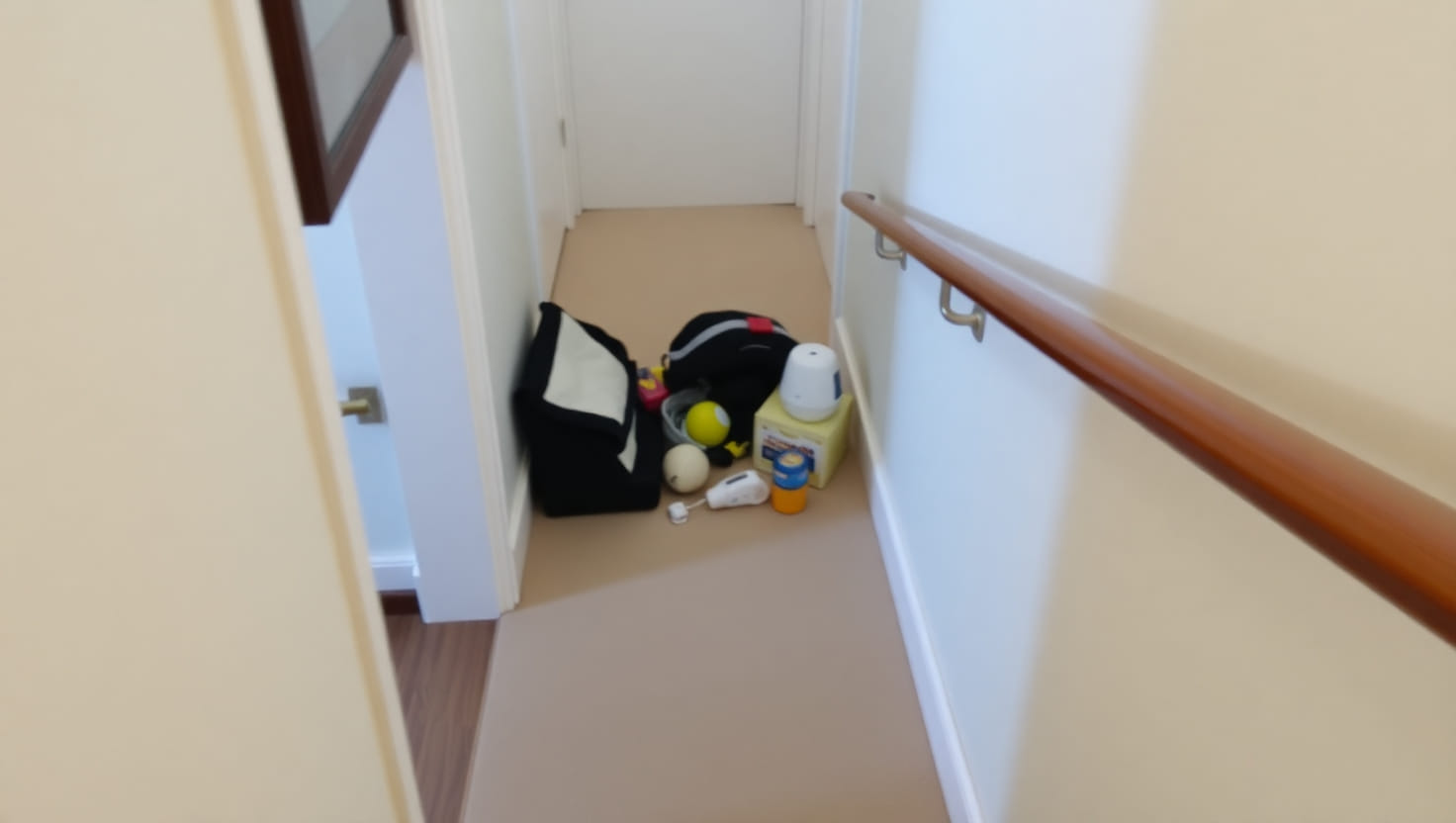
What’s happening here isn’t disorganization. It’s accumulation without closure. These surfaces become holding areas for things that haven’t found their next step yet.
In small rooms, these bottlenecks are more noticeable because there are fewer alternative surfaces. When one fills, the room feels instantly tighter.
The instinct is often to organize the surface—add trays, stack items neatly, create zones. Sometimes that helps. Other times it just preserves the bottleneck in a tidier form.
A more relieving lens is to see these surfaces as transition points, not storage. They work best when items move through them, not settle permanently.
When fewer items compete for that space, mornings feel calmer. Evenings feel quieter. The room regains a sense of rhythm instead of feeling paused mid-decision.
The impact of unfinished projects on a small bedroom
Unfinished projects carry a unique kind of weight in small bedrooms. Sewing supplies, workout gear, art materials, paperwork—they often stay visible as reminders of good intentions.
In a tight space, these reminders are constant. There’s no spare room to close the door on them. The project stays mentally open, even when you’re resting.
This can create a low-level pressure that’s easy to dismiss but hard to escape. The bedroom stops being a place of closure and starts feeling like a to-do list.
The issue isn’t that projects exist. It’s that the room doesn’t have enough separation to hold both rest and anticipation at the same time.
Decluttering here isn’t about finishing everything. It’s about deciding what deserves active presence. Some projects are current. Others are paused, even if that pause hasn’t been named.
Naming that pause can be surprisingly freeing. When a project is allowed to step out of the room—or be stored in a way that signals rest—it stops asking for attention.
Small bedrooms benefit from clarity. When unfinished projects are limited or clearly contained, the room can return to its primary role without carrying borrowed urgency.
How lighting and layout influence what feels like clutter
Clutter isn’t only about objects. In small bedrooms, lighting and layout can amplify or soften the impact of what’s already there.
Poor lighting creates shadows, and shadows make spaces feel fuller and less defined. When corners are dark, the mind fills in density. The room feels crowded even if it isn’t.
Layout plays a similar role. Furniture that interrupts natural movement creates visual stops. The eye jumps instead of gliding, which increases the sense of busyness.
This is why two rooms with the same amount of belongings can feel completely different. One feels calm. The other feels tight. The difference is often flow.
Decluttering becomes easier when the room supports it. When light reaches more surfaces, fewer items demand attention. When pathways are clear, the room feels intentional.
This doesn’t require renovation. Small shifts—repositioning a lamp, adjusting furniture alignment, opening visual lines—can change how clutter is perceived.
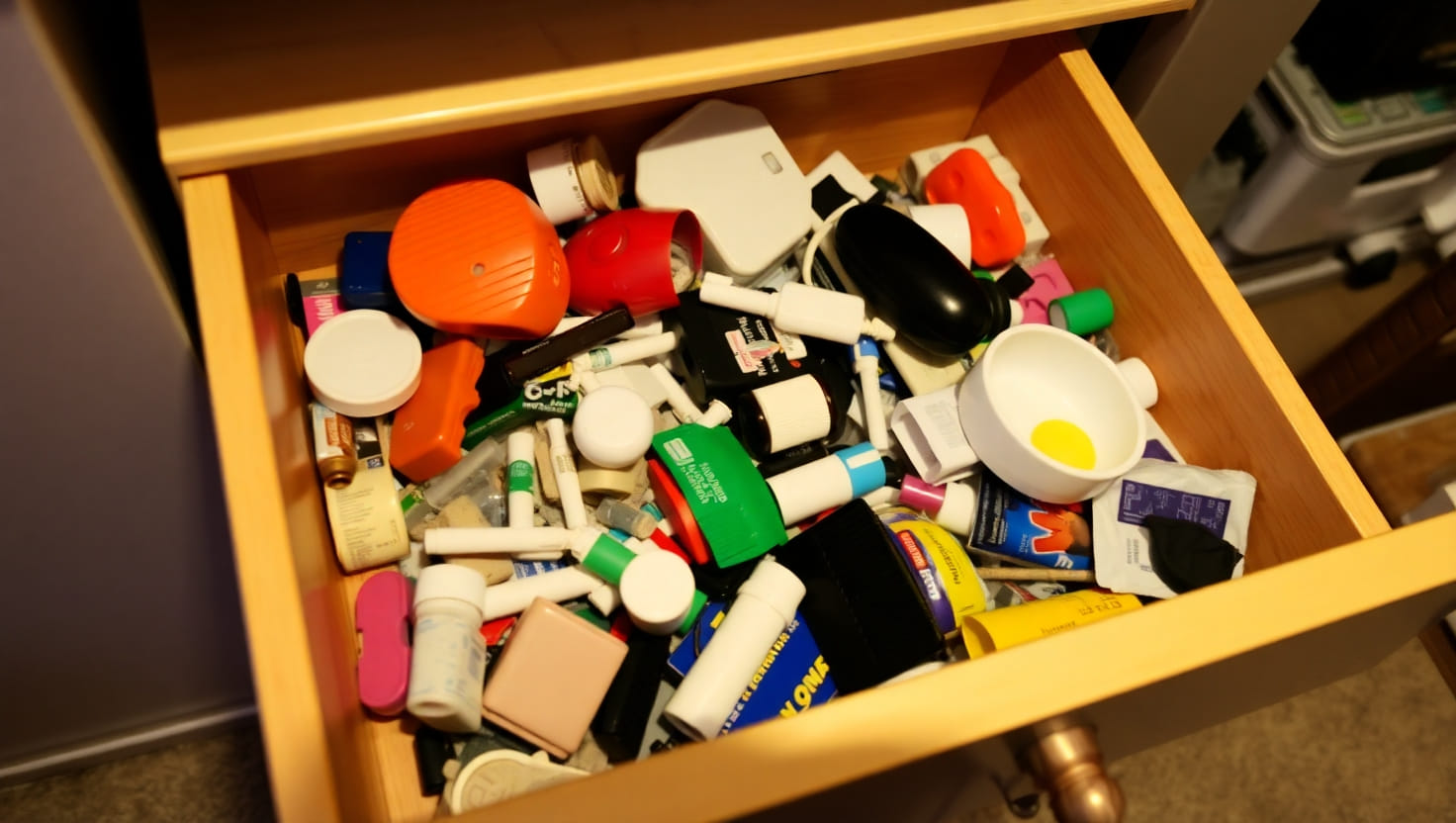
In limited space, perception matters. When the room feels lighter, decisions feel lighter too. The environment stops pushing back, and the process becomes less effortful.
Allowing the bedroom to be restful before it’s “finished”
One of the quiet traps of decluttering a small bedroom is postponing rest until the room feels done. The idea that calm comes after completion can keep the space in a constant state of waiting.
But small bedrooms don’t need to be finished to be restful. They need permission to function imperfectly.
When rest is delayed, the room never fully supports you. Sleep is lighter. Mornings feel rushed. The space stays conditional.
Decluttering works differently when rest is allowed first. When you decide that the room gets to be a place of ease now, decisions soften. Urgency fades.
This doesn’t mean ignoring clutter. It means not tying peace to progress. The room can be both in process and supportive.
Often, once rest is established, clarity follows. You notice what disrupts that calm and what doesn’t. The room teaches you what it needs.
In a small bedroom, this shift is especially powerful. Space is limited, but relief doesn’t have to be. Sometimes the most important decluttering decision is letting the room serve you as it is—while it’s still changing.
When decluttering starts to feel sustainable
At some point, many people notice a quiet shift. The room isn’t perfect, but it no longer feels fragile. Small decisions don’t unravel the whole space. You stop starting over.
That change rarely comes from finding the right rule. It comes from understanding why certain approaches didn’t last—and why others finally did. Not more effort. More alignment.
This is usually where curiosity replaces urgency. You begin to wonder what makes decluttering hold, even when life gets busy again. What allows progress to stay gentle instead of demanding.
That question doesn’t need answering all at once. It can sit with you, the same way the room now does—steadier, less reactive, and open to what comes next.