January Declutter Challenge: A Gentle Way to Reset Without Starting Over
A calm, pressure-free January declutter challenge for anyone who wants their home to feel lighter without turning it into a project or a test of discipline.
January carries a particular kind of weight.
It shows up quietly, but it brings expectations with it. Clean slates. Fresh starts. The idea that this is when things are supposed to change.
If you’re already tired, that pressure can make decluttering feel like one more demand you didn’t ask for.
This January declutter challenge isn’t built around momentum or willpower. It isn’t a reset that asks you to become a new person, or a system that assumes you have extra energy waiting to be used.
It’s simply a way to move through your space with less friction.
Nothing here needs to be finished. Nothing needs to be done quickly. You don’t need special supplies, a free weekend, or a strong emotional push.
This is about easing back into your home after the holidays and noticing where things feel heavy—and where they don’t.
You can take this slowly. You can pause. You can stop partway through and still have it count.
Why January Feels Like the “Right” Time (Even When You’re Exhausted)
January is often framed as a natural starting point. The calendar changes, routines shift, and there’s a quiet sense that something new should begin.
That can be helpful. It can also be misleading.
For many people, January comes after weeks of disruption. More stuff entered the house. Normal rhythms were interrupted. Emotional energy was spent elsewhere.
So when a January declutter challenge promises transformation, it can feel out of sync with reality.
The reason January can work isn’t because it’s motivating. It’s because contrast is higher. You notice what doesn’t fit anymore.
You notice which items feel noisy now that things are quieter. Which spaces feel crowded when you’re home more. Which habits don’t slide back into place easily.
This awareness doesn’t require action right away. It just needs space.
A gentle challenge uses January for noticing, not fixing. It lets the season do part of the work by making friction visible.
When you stop treating January as a performance window, it becomes something else entirely: a time when clarity shows up on its own.
That’s the kind of starting point that doesn’t demand energy you don’t have.
What Makes This a Challenge Without Making It Demanding
The word “challenge” usually implies effort. Timelines. A sense that you’re meant to push.
Here, it means structure—nothing more.
A January declutter challenge like this gives you edges. It creates a container so you don’t have to decide everything from scratch.
But it deliberately avoids intensity.
There’s no expectation that you’ll declutter daily. No requirement to tackle problem areas. No finish line waiting at the end of the month.
Instead, the challenge is simply to stay in conversation with your space.
Some days that might look like clearing a surface. Other days it might mean noticing what you avoid touching. Sometimes it means doing nothing at all and recognizing that as information.
This approach respects the fact that decision-making costs energy. By removing urgency, it lowers that cost.
The “challenge” becomes staying present long enough to notice patterns, rather than forcing outcomes.
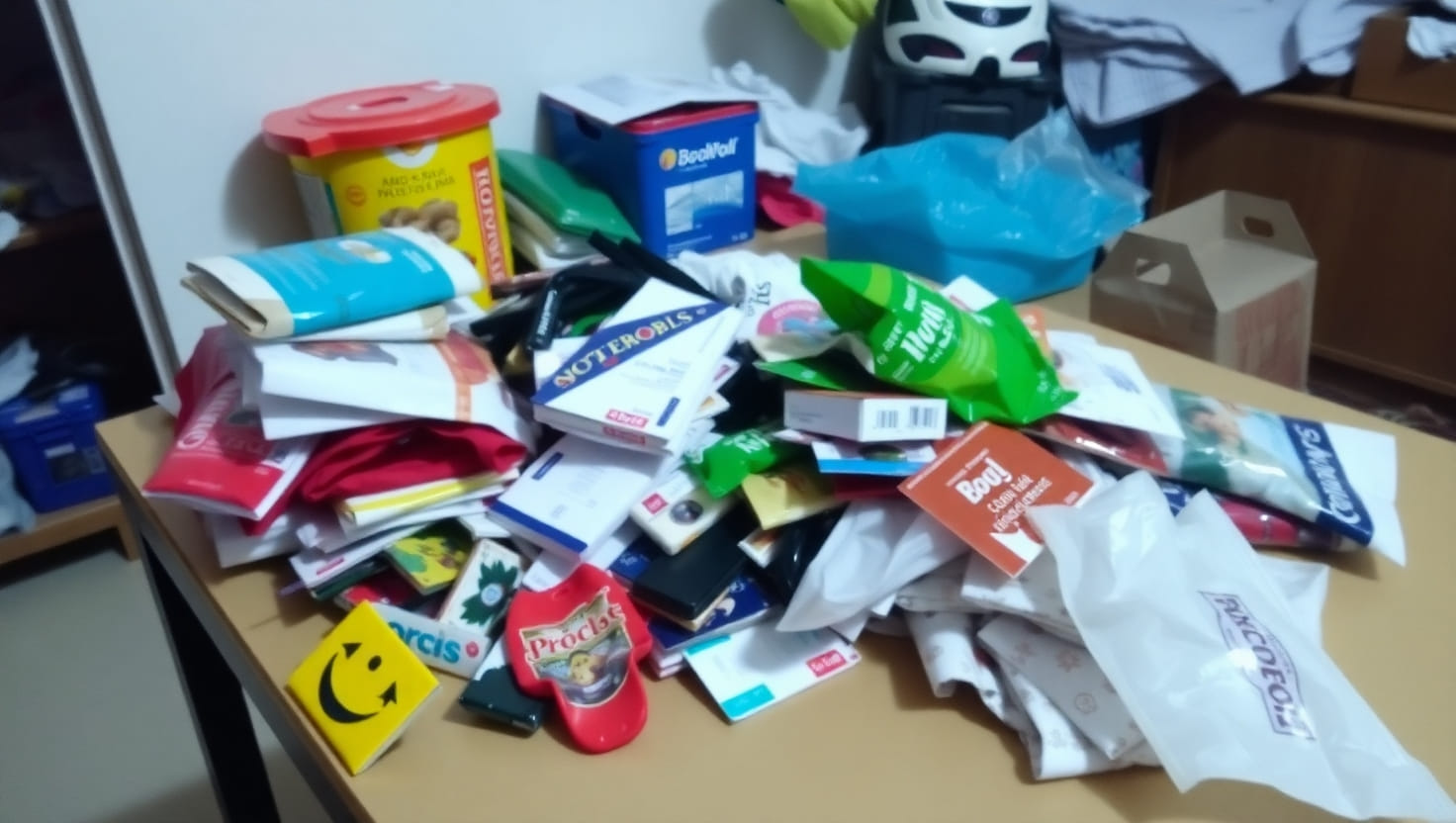
That’s why it works better for people who’ve burned out on all-or-nothing methods. It doesn’t ask you to override your capacity.
It just asks you to pay attention, gently and repeatedly, until clarity becomes easier than avoidance.
Starting With Space That Doesn’t Fight Back
One of the quiet failures of traditional declutter challenges is where they begin.
They often point you straight toward the hardest areas. Closets with history. Storage filled with guilt. Boxes you haven’t opened in years.
That’s a fast way to shut down.
This January declutter challenge starts somewhere cooperative.
Look for spaces that already want to be lighter. A drawer that sticks. A shelf that’s always crowded. A surface you’re constantly clearing and re-clearing.
These places don’t require emotional processing. They respond quickly to small changes.
When you start here, you rebuild trust with yourself. You prove—without pressure—that you can make decisions without spiraling.
This isn’t avoidance. It’s pacing.
Easier spaces recalibrate your nervous system. They remind you that decluttering doesn’t always lead to regret or second-guessing.
Once that sense of safety is restored, harder areas stop feeling so loaded. You haven’t tackled them yet, but they no longer loom.
Beginning with low-resistance spaces creates momentum that doesn’t feel like momentum. It feels like relief.
And relief is what makes it possible to continue without needing a push.
Letting January Be Slow on Purpose
There’s a cultural expectation that January should be productive. That if you don’t harness it, you’ve missed your chance.
This challenge quietly disagrees.
January is dark in many places. Routines are still re-forming. Energy often comes in short bursts, not long stretches.
So this approach works with that rhythm instead of against it.
You’re not meant to do a little every day. You’re meant to notice when a small window opens—and step into it without pressure.
Some weeks you might do more. Some weeks you might do nothing tangible at all.
What matters is that you don’t use January to evaluate yourself.
No catching up. No falling behind. No sense that you’ve failed if a week goes quiet.
When slowness is allowed, the internal noise drops. Decisions get simpler. You stop trying to optimize the process and start responding to what’s actually there.
January doesn’t need to be efficient to be useful.
It just needs to be honest.
How This Challenge Protects Your Energy (Instead of Draining It)
Many people don’t avoid decluttering because they dislike clear spaces. They avoid it because the process has taught them to expect depletion.
This January declutter challenge is designed to interrupt that pattern.
It limits decision density. It discourages marathon sessions. It treats stopping as neutral, not as a failure.
Most importantly, it separates identity from outcome.
You’re not proving discipline. You’re not correcting past choices. You’re not fixing yourself through your home.
You’re simply adjusting your environment so it asks a little less of you.
When energy is protected, decluttering stops being something you have to recover from. It becomes something that quietly supports you instead.

That shift matters.
Because once your space starts giving energy back—even in small ways—you’re more likely to return to it with steadiness rather than force.
And that’s what makes a challenge like this sustainable, long after January ends.
Noticing the Emotional Temperature of Each Room
As you move through this January declutter challenge, one useful shift is to stop asking what a room needs and start noticing how it feels to be there.
Every space carries a temperature. Some rooms feel neutral. Some feel supportive. Others quietly raise your shoulders the moment you walk in.
This isn’t about aesthetics. It’s about the amount of attention a room asks from you.
A kitchen that feels tense might not be cluttered in a visible way. It might simply contain too many decisions. A bedroom that feels heavy may look tidy, but hold items that keep your mind active when you’re trying to rest.
Instead of acting immediately, let yourself observe these reactions.
Where do you linger without effort? Where do you rush? Where do you avoid standing still?
These responses are data. They tell you where your energy is being pulled.
When decluttering starts with emotional temperature rather than volume, it becomes more precise. You’re no longer trying to “do the whole room.” You’re responding to a specific kind of friction.
This also helps prevent overcorrecting. Not every uncomfortable space needs to be emptied. Sometimes it just needs fewer demands.
January is a good time for this kind of noticing because your tolerance is lower. You’re less likely to gloss over irritation.
That sensitivity isn’t a problem. It’s guidance—if you let it stay quiet long enough to be heard.
Separating “I Don’t Use This” From “I’m Not Ready”
One of the hardest parts of any declutter challenge is telling the difference between disuse and unreadiness.
Something can sit untouched for months and still not be ready to leave. That doesn’t mean you’re failing. It means there’s information attached to the item that hasn’t resolved yet.
This January declutter challenge makes room for that distinction.
Instead of forcing a decision, try naming what’s actually happening.
Is the item truly unnecessary, or does it represent a version of yourself that still feels relevant? Is it clutter, or is it paused?
When you stop treating hesitation as resistance, it softens. You’re no longer arguing with yourself.
Items you’re not ready to release don’t need to be justified. They just need to be acknowledged honestly.
This approach prevents the emotional snapback that often follows aggressive decluttering. You avoid the cycle of purging and rebuying, or letting go and later feeling exposed.
Readiness changes over time. January doesn’t need to resolve everything.
By allowing some things to stay without pressure, you build trust in your own timing. And paradoxically, that trust often makes future decisions easier—not harder.
Decluttering becomes less about proving clarity and more about honoring where clarity hasn’t arrived yet.
Using Small Wins Without Turning Them Into a System
Small wins are often recommended because they’re motivating. But they can quietly turn into another system to maintain.
In this January declutter challenge, small wins serve a different purpose.
They’re not meant to stack. They’re meant to reassure.
Clearing a single surface, removing one unused item, or adjusting one drawer isn’t about progress tracking. It’s about reminding yourself that change doesn’t have to be dramatic to be real.
When small wins are used gently, they restore a sense of agency. You experience yourself as someone who can respond to your environment without overwhelm.
The key is to let each win stand alone.
No scaling it up. No asking what’s next. No turning it into a habit immediately.
If you notice the urge to optimize—doing more, going faster, setting rules—that’s a sign to pause.
This challenge resists system-building on purpose. Systems require upkeep. January doesn’t always support that kind of consistency.
Instead, you’re practicing responsiveness.
Some days you’ll notice a small adjustment that makes life easier. Other days you won’t.
Both are allowed.
By keeping wins small and unscripted, you avoid burnout and keep decluttering from becoming another quiet obligation you’re carrying.
What to Do With the Items That Create Mental Noise
There’s a specific category of clutter that doesn’t always take up much space, but consumes a lot of attention.
These are the items you repeatedly notice. The ones you move around. The things you think about more than you use.
In a January declutter challenge, these items are often more important than the obvious clutter.
Mental noise is a sign of unresolved decisions. Not because you’re indecisive, but because the item no longer has a clear role.
Instead of forcing a keep-or-donate choice, try clarifying the relationship.
Does this item belong to your present routines, or to a future you’re not actively living yet? Does it support your current life, or interrupt it?
Sometimes the most helpful move is simply to contain the noise. Group similar items together. Move them out of daily sight. Reduce how often they ask for attention.
You’re not avoiding a decision. You’re reducing cognitive drag.
When mental noise quiets down, clarity often follows naturally. Decisions stop feeling urgent and start feeling obvious.
This is especially valuable in January, when your mental bandwidth may already be thin.
Decluttering doesn’t always mean removing objects. Sometimes it means restoring silence around them.
Allowing the Challenge to Change Shape Midway
Many challenges quietly assume consistency. That you’ll feel the same way throughout, or that motivation will carry you evenly from start to finish.
This January declutter challenge doesn’t expect that.
Your energy may shift halfway through the month. What felt manageable early on may feel heavy later. Or the opposite may happen.
Rather than correcting for that, this approach adapts.
If you notice resistance increasing, that’s a cue to narrow your focus—not to push harder. If things start to feel easier, you’re allowed to lean in a little more.

The challenge isn’t the structure. It’s staying responsive to your own capacity.
Letting the shape change prevents the internal pressure that often causes people to abandon decluttering entirely.
There’s no penalty for slowing down. No reward for speeding up.
January is a transitional month. Your home is adjusting. You are too.
When the challenge stays flexible, it remains supportive instead of demanding.
And that flexibility is often what allows people to keep engaging with their space long after the month is over—without needing a formal challenge to tell them when to begin.
When Decluttering Brings Up Old Versions of You
As this January declutter challenge continues, it’s common to run into items that feel heavier than expected.
Not because they’re sentimental in a dramatic way, but because they belong to a version of you that once mattered.
Clothes from a different season of life. Supplies for a hobby you don’t practice anymore. Objects tied to plans that quietly changed.
These items aren’t clutter because they’re useless. They’re clutter because they keep you anchored to an identity you’re no longer actively living.
The discomfort here isn’t about letting go of things. It’s about letting go of permission.
Permission to change. Permission to rest. Permission to not return to that version of yourself.
This challenge doesn’t ask you to resolve that immediately. It asks you to notice when decluttering becomes an identity question rather than a spatial one.
If an item brings up self-judgment, pause. That reaction is more important than the object itself.
You’re not required to make a decision while the emotion is still loud.
Sometimes the most respectful thing you can do—for yourself and for the past—is to acknowledge that something mattered, and that it doesn’t need to keep proving it by staying.
January is often when these realizations surface naturally. Let them arrive without rushing them toward closure.
Working With Storage Instead of Decluttering Against It
Storage often gets treated as the enemy in decluttering conversations.
Too many bins. Too many shelves. Too many places to hide things.
But in a January declutter challenge like this one, storage is information.
The way you store things tells you what you’re trying to protect, what you’re postponing, and what you don’t want to think about yet.
Instead of emptying storage spaces automatically, try opening them with curiosity.
What types of items ended up here? How long have they been waiting? What role is this space playing in your home right now?
Sometimes storage exists because you don’t have clarity yet—and that’s allowed.
You don’t need to force every stored item into daily life or remove it entirely. Often, adjusting how things are stored is enough to lower the mental weight.
Grouping like items. Making contents visible. Reducing how often you have to revisit the same undecided things.
This approach respects the function storage is already serving, rather than fighting it.
Decluttering works best when it cooperates with your current capacity. Storage can be a temporary ally instead of a problem to solve.
Letting Go of the Idea That Decluttering Has a “Right” Order
Many people stall out in decluttering because they’re waiting to do things in the correct sequence.
They believe there’s a right order, and that starting in the wrong place will create more work later.
This January declutter challenge lets go of that assumption.
Homes aren’t linear systems. They’re lived-in environments that respond to attention wherever it lands.
If you feel drawn to one area, that’s enough reason to start there. If another space repels you, that’s useful information too.
You don’t need a master plan. You need responsiveness.
Decluttering in a flexible order allows energy to lead instead of logic. And energy is the limiting factor most of the time.
When you stop worrying about sequence, you reduce hesitation. Decisions come faster because they’re rooted in present awareness, not strategy.
January supports this looseness. There’s already a sense of recalibration in the air.
Trusting yourself to move where clarity shows up—rather than where you think you’re supposed to begin—keeps the process grounded and sustainable.
How to Handle the Mid-Challenge Drop in Motivation
Almost every challenge hits a quiet dip.
Not a dramatic loss of interest, but a subtle fading. You stop thinking about it as much. Other things take priority.
This January declutter challenge expects that moment.
Instead of treating it as a problem, treat it as part of the rhythm.
Motivation isn’t meant to be consistent. Attention moves naturally, especially during a transitional month.
When the dip arrives, don’t try to restart with enthusiasm. Restart with gentleness.
Lower the bar. Shrink the scope. Engage only where it feels easy to re-enter.
Sometimes that means just noticing clutter without touching it. Sometimes it means adjusting one small thing and stopping.
You’re not rebuilding momentum. You’re maintaining relationship.
Decluttering that survives motivation dips is decluttering that’s woven into awareness, not powered by drive.
By allowing the challenge to go quiet without abandoning it, you make it easier to return without friction.
That ease is what keeps the process alive.
Seeing What Remains After You Stop Trying to Improve
As you move deeper into this January declutter challenge, there’s a subtle shift that often happens.
You stop trying to improve your home and start seeing it more clearly.
When urgency fades, what remains feels different. Some clutter stops bothering you. Other things stand out more sharply.
This is useful.
Not everything that stays is a compromise. Some things stay because they genuinely belong. Others stay because they’re not ready to leave yet.
The point isn’t to create an ideal space. It’s to reduce the background noise enough that what matters becomes obvious.
When you’re no longer trying to optimize, your home stops feeling like a project and starts feeling like a place again.
January offers this pause naturally, if you let it.
The challenge doesn’t end with perfection or completion. It settles into awareness.
And awareness, once established, tends to carry forward quietly—long after you stop thinking of this as a challenge at all.
When Decluttering Starts to Feel Different
At some point, decluttering stops feeling like a task you return to and starts feeling like something that quietly supports you. Not because everything is finished, but because the process itself no longer drains you. That shift usually doesn’t come from doing more. It comes from understanding why certain approaches never settled, and why others finally did. For many people, that realization happens slowly, after enough gentle passes through their space. When you notice that steadiness beginning to form—when decluttering feels less fragile—it’s often a sign that something deeper has clicked. That moment is worth paying attention to, whenever it arrives.